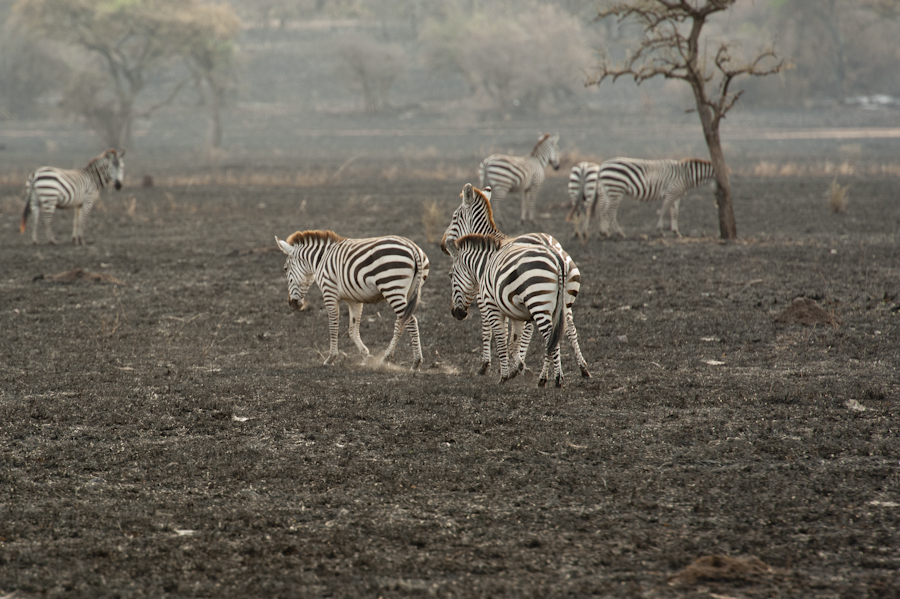
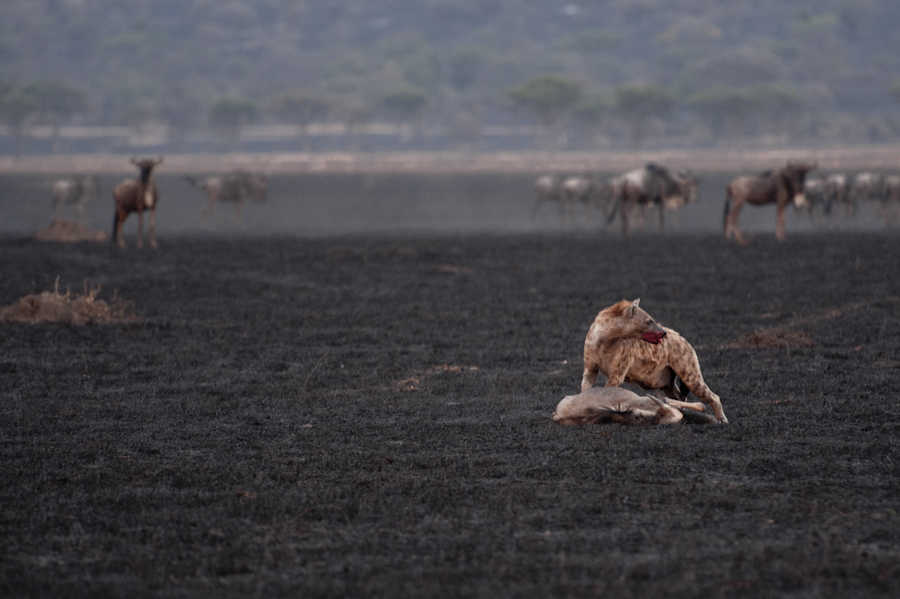
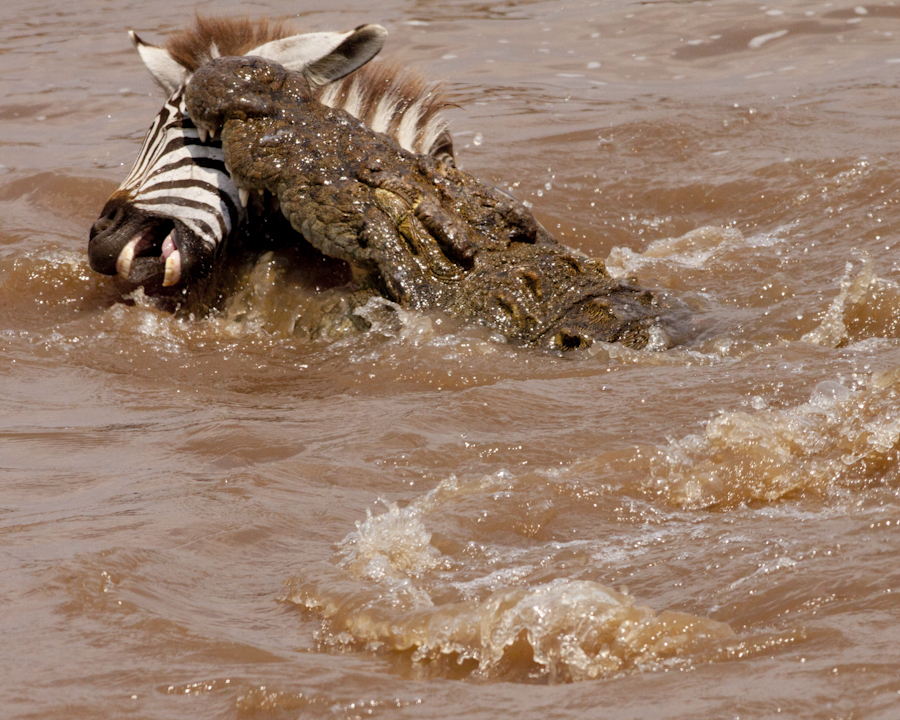
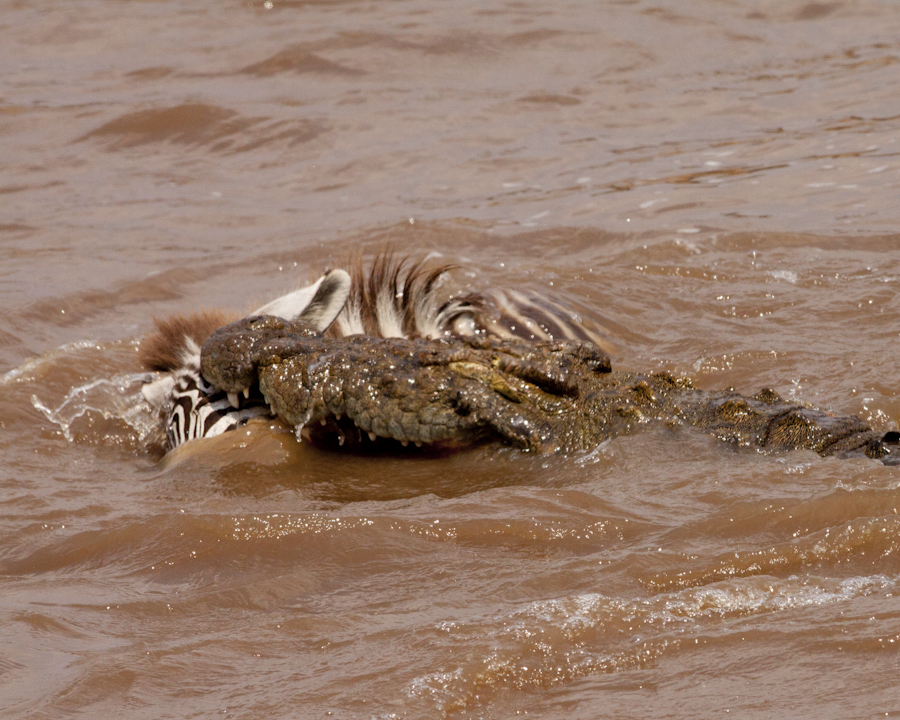
SINGITA GRUMETI RESERVES, TANZANIA – More images of the moon-like landscape
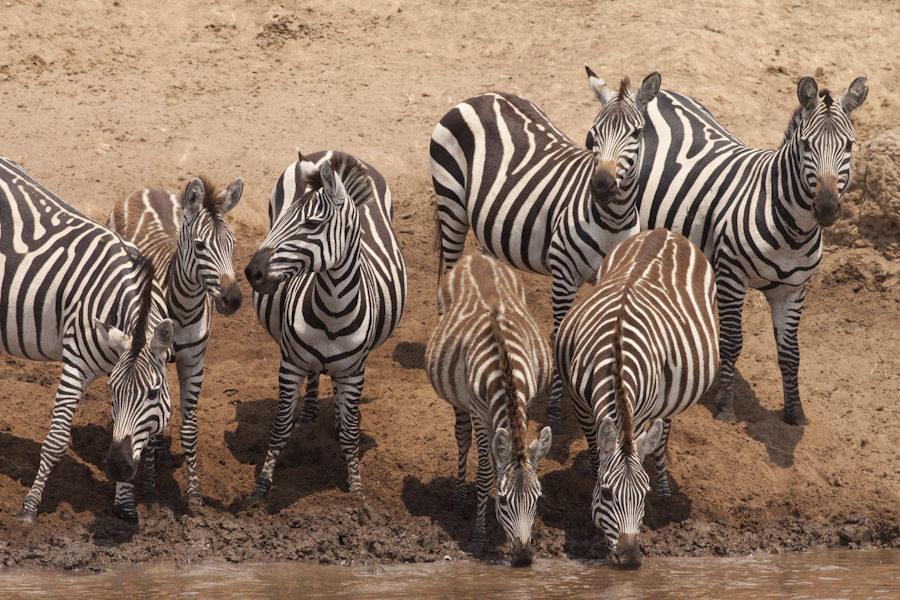
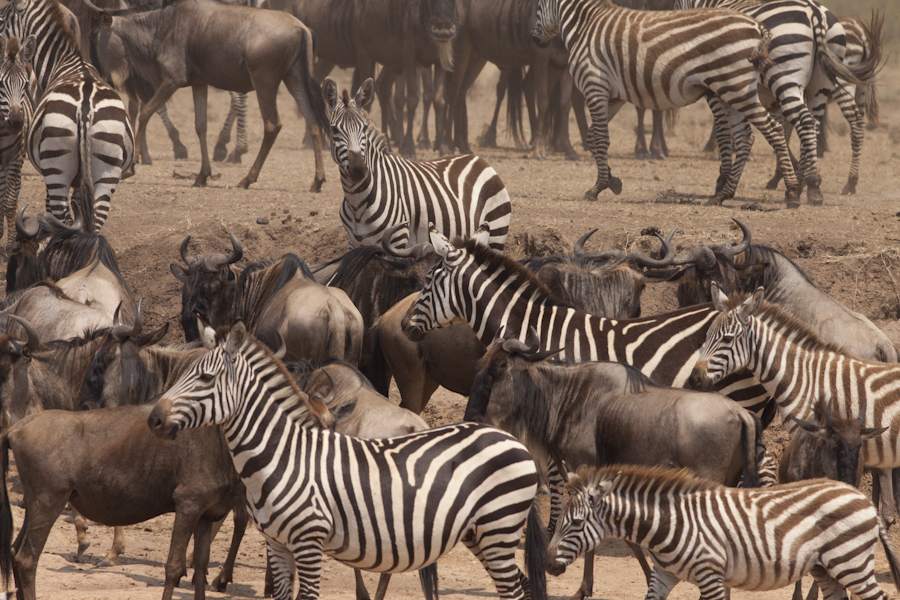
Zebras
We had a dramatic moment in the late afternoon. A hyena ran down a young wildebeest. As noted elsewhere hyenas eat their prey without killing it first. Here the hyena eats the wildebeest starting with its hind quarters as we hear the wildebeest’s continuing screams. That night in our tent I imagined that every sound that I heard outside of our tent was a hyena.
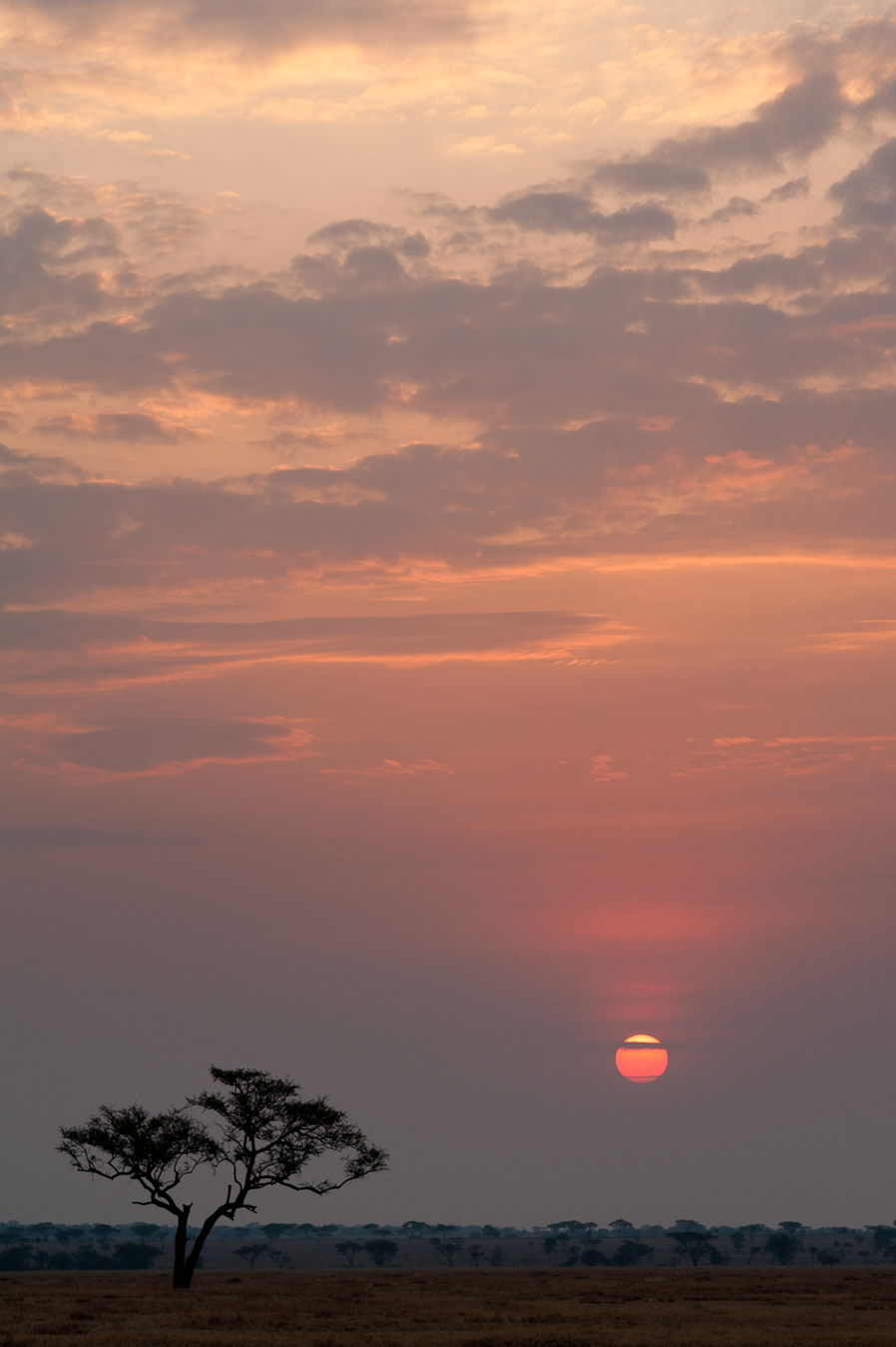
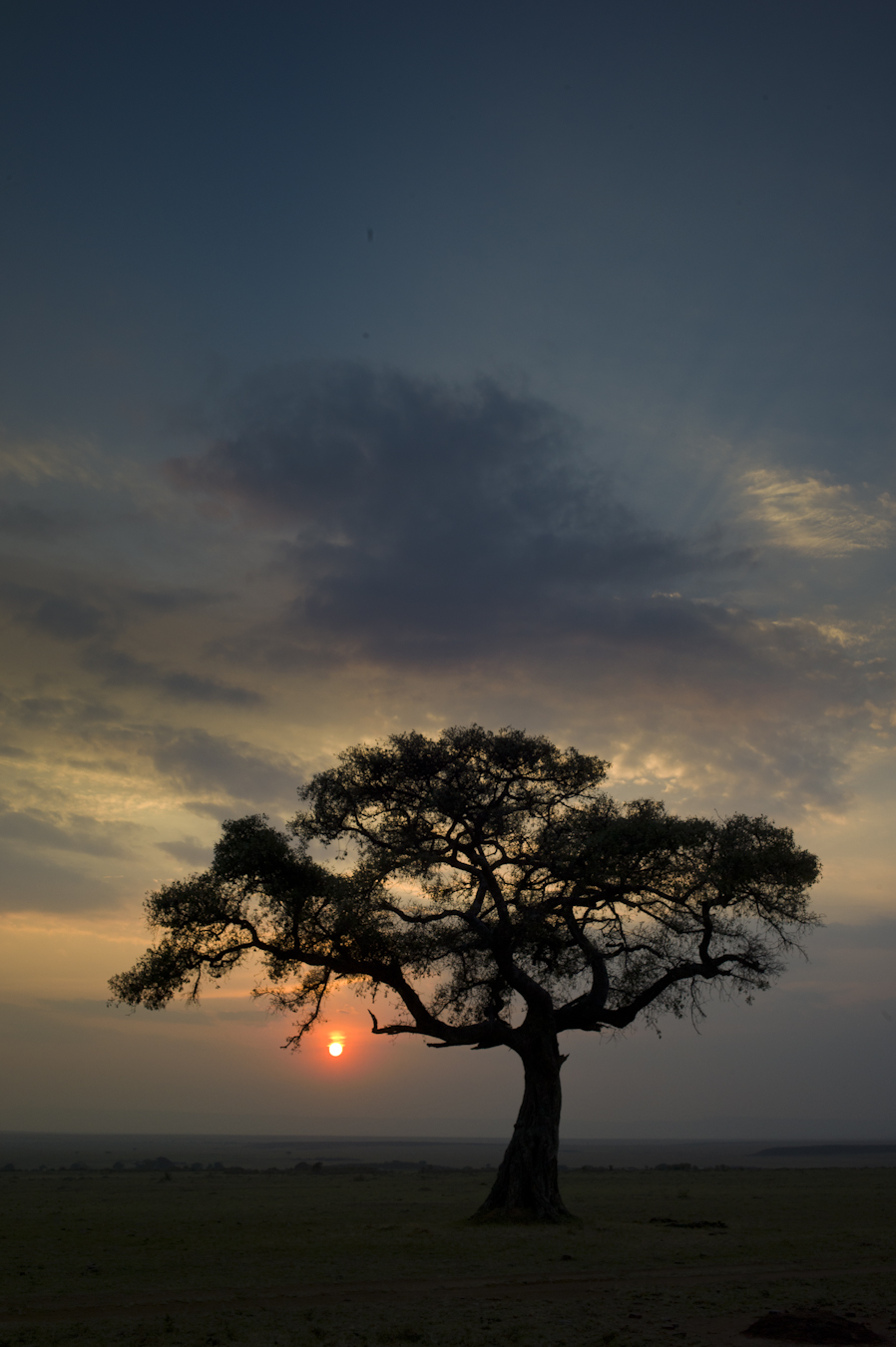
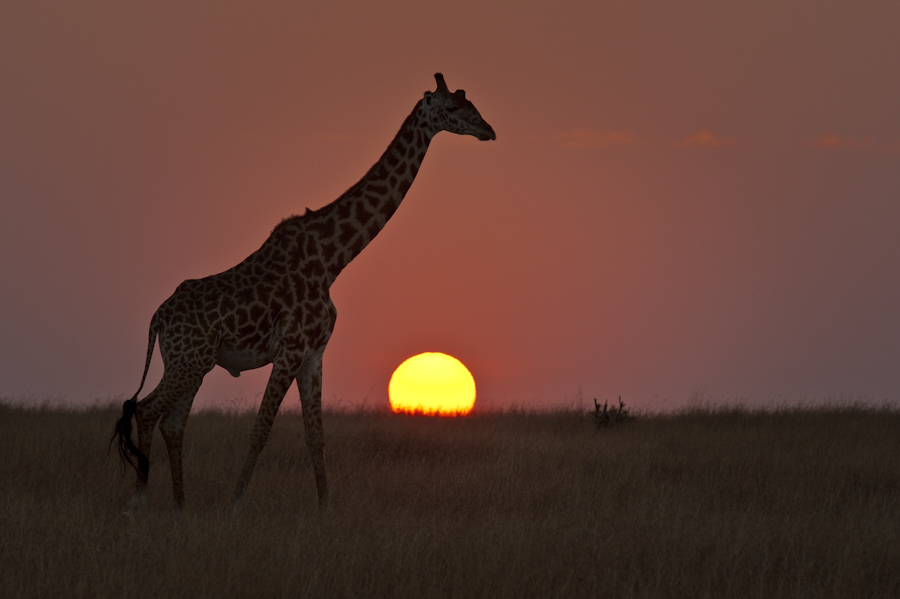
MAASAI MARA KENYA – A sunset. I’ve actually posted this a year late because I realized that I hadn’t actually posted my image for this day when I tried to find it for my “one year ago” exercise on August 24, 2011. I actually took the following picture, a sunset, on the right date but didn’t post it.
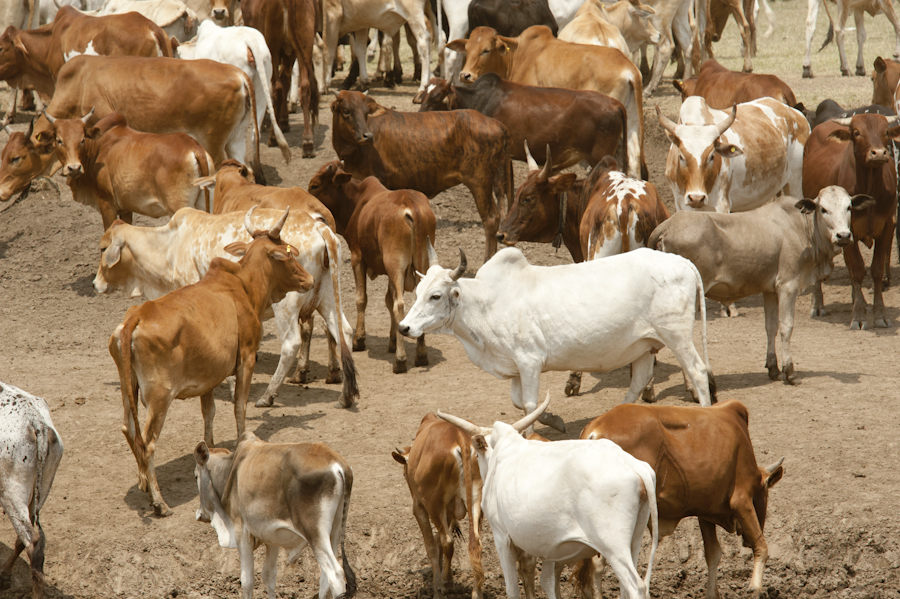
MAASAI MARA, KENYA – Ride back from the crossing and late afternoon bush walk. Here’s a heard of Maasai cattle. As noted in an earlier post the Maasai are semi-nomadic cattle herders. They prefer large horn cattle in white with small black markings. The Maasai believe that all the cattle in the world belong to Maasai, leading to behavior that is considered cattle theft by others. Historically their diet consisted primarily of milk mixed with cow’s blood drawn from an artery – they patch up the wound after drawing the blood. They supplement it with sheep and goats. Cows are to valuable as a measure of wealth to slaughter for food.
Maasai cattle
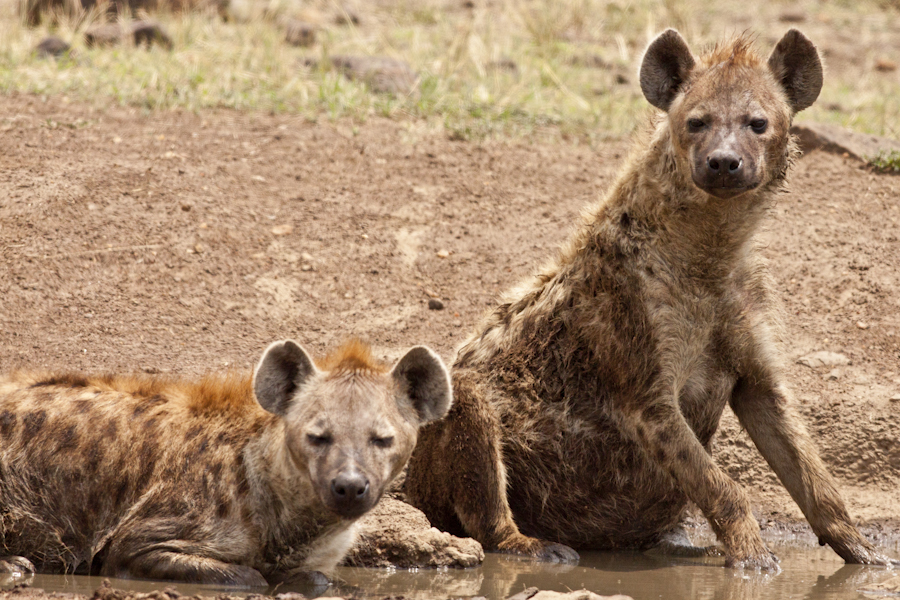
This gives some idea of just how ugly the spotted hyena is:
Spotted hyenas
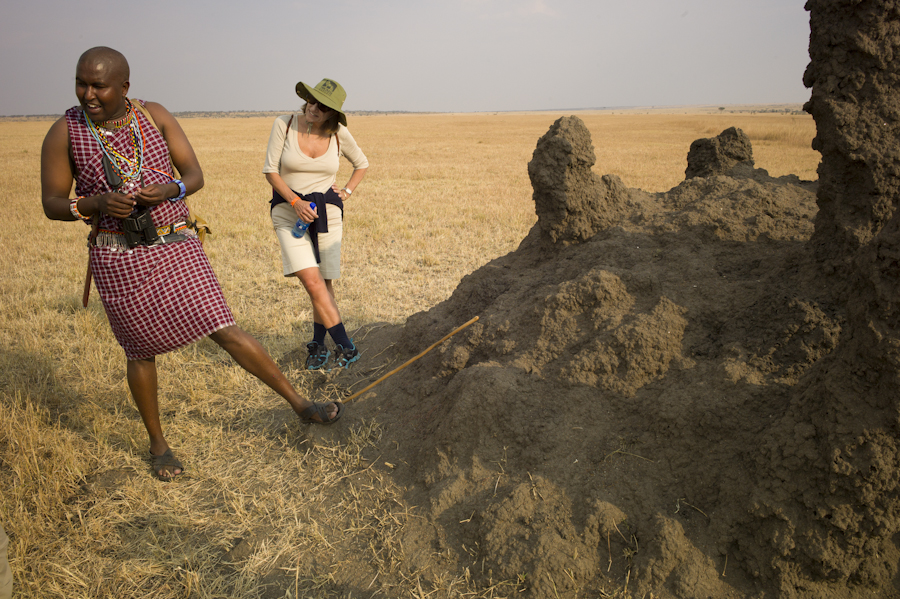
We took a late afternoon bush walk. This is Maria with our Maasai guide, Ping, inspecting a termite hill. Ping is an amazing story teller; he’s the fellow who spent six month’s in Orlando advising on the safari ride.
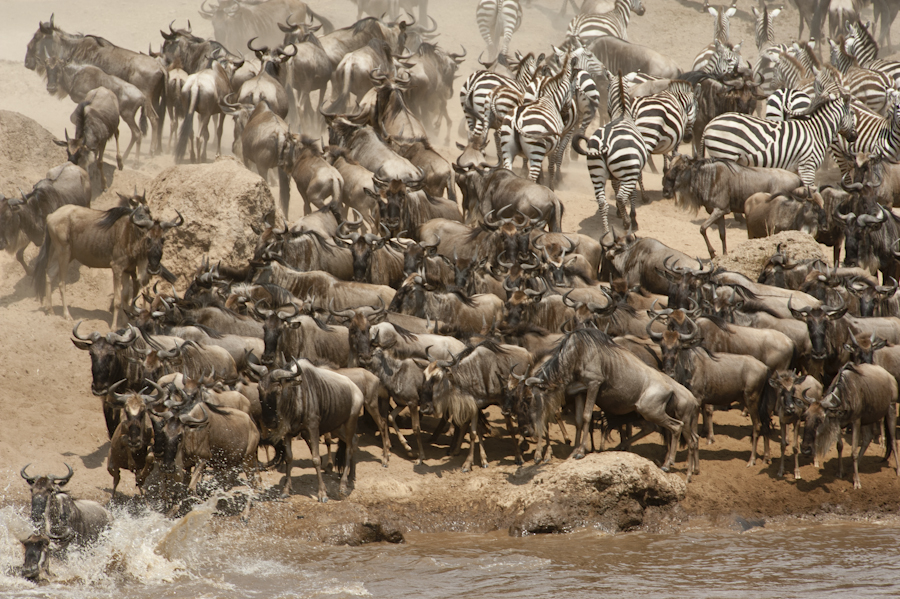
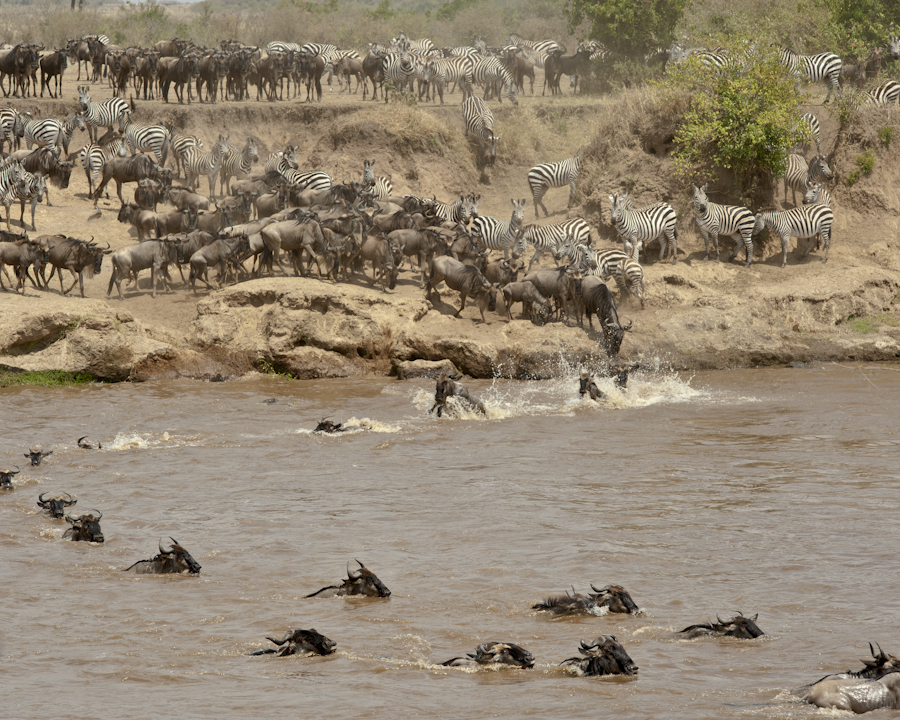
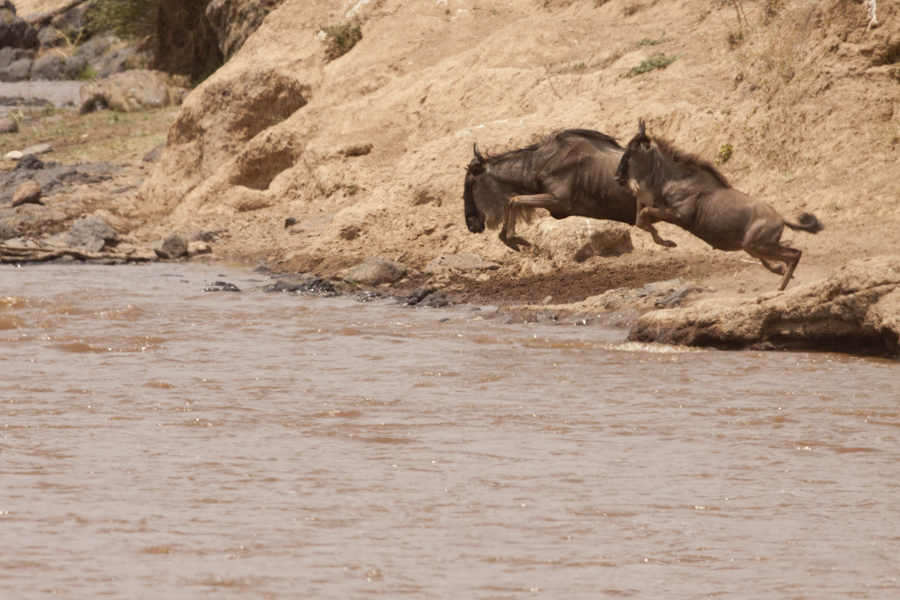
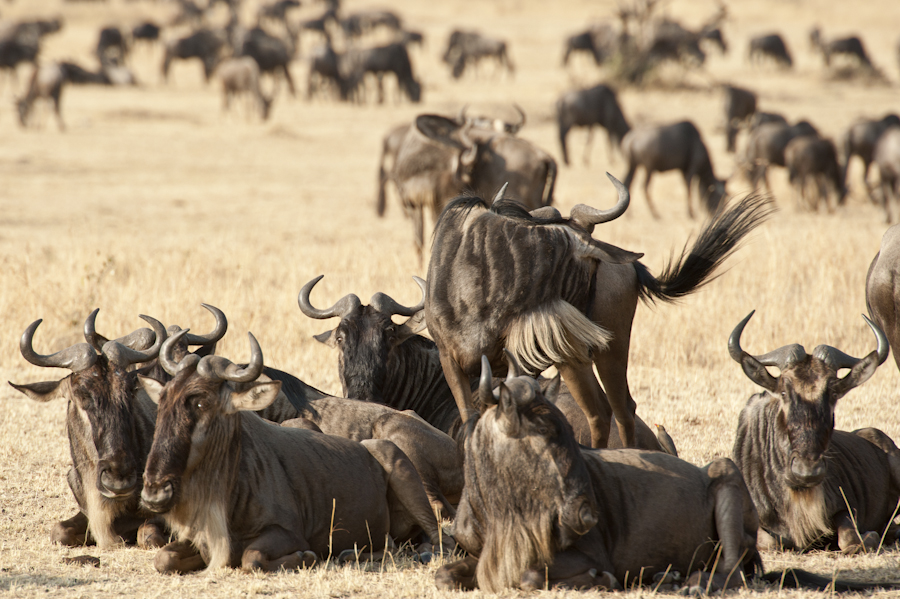
MAASAI MARA, KENYA – We have been extraordinarily lucky to witness a major crossing of the Mara River by the wildebeest migration. The crossing is popular with both animals and photographers. The guides refer to it at the “BBC crossing” – its where BBC send a camera crew if they need shots of wildlife crossing a river.
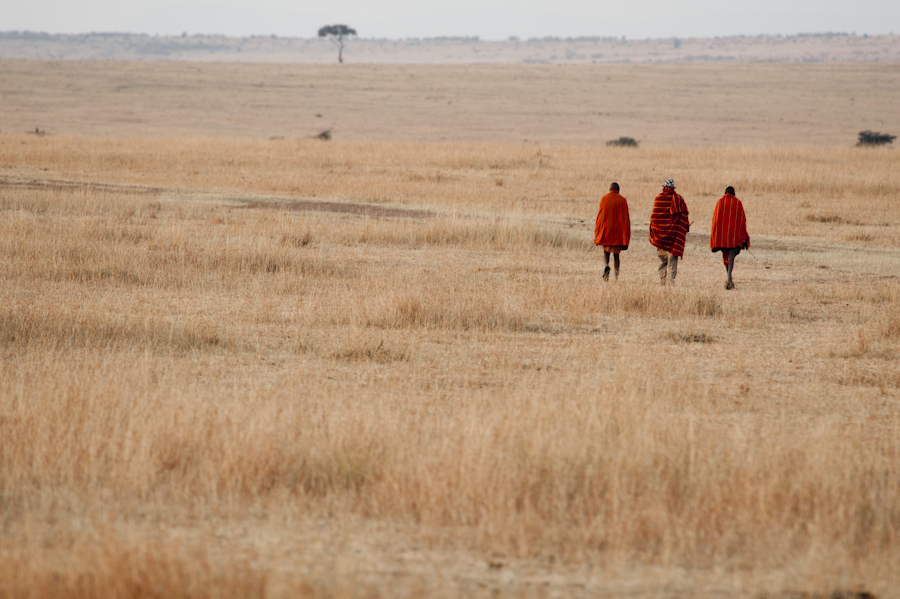
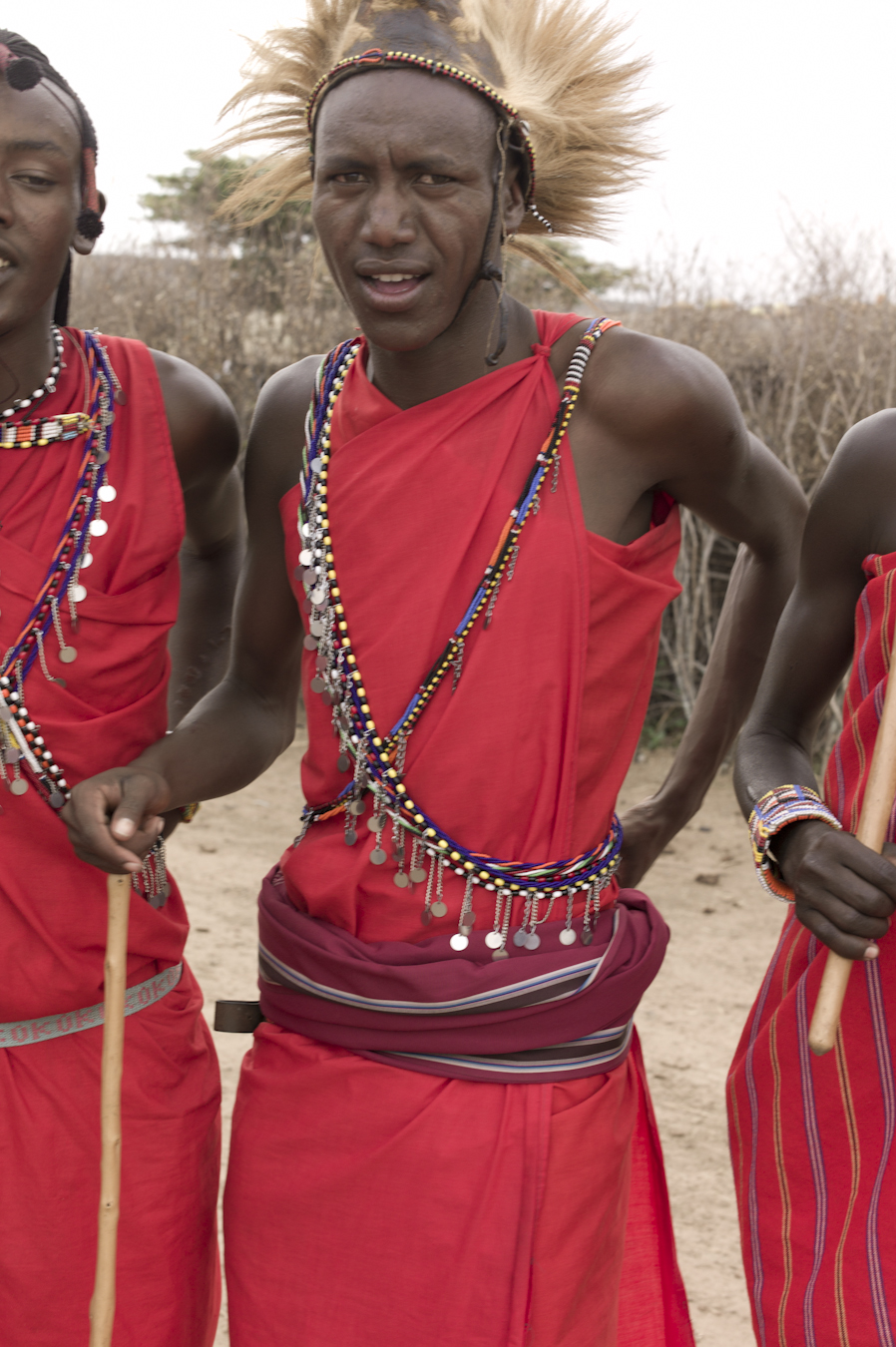
MAASAI MARA – In the late afternoon, under dull skies, we visited a Maasai village. The Maasai are nomads – they tend cattle which are their primary index of wealth. We find the Maasai friendly and welcoming. Their culture is sufficiently binding that they tend to return to their roots after being educated, and even after travel to the US. Our Maasai guide in the Maasai Mara, Ping, had spent six months in Orlando as a consultant to the Safari feature at Disney World. They are under severe pressure to change some of their ways, For example it was a coming of age rite for a young Maasai man to kill a lion. The Maasai population is East Africa is around 400,000, the lion population is around 25,000 so the numbers no longer support this practice. The Maasai also historically practiced female circumcision, a practice that has appropriately been banned by the governments of Kenya and Tanzania. Here’s a link the the Wikipedia entry on the Maasai: The Maasai
One interesting theory on the origin of the Maasai that we heard from several guides: A Roman legion was sent to explore the sources of the Nile and vanished. The theory is that legion trained a local tribe as legionnaires and that the Maasai descended from them. The Maasai wear red cloaks (colour reserved for soldiers in the Roman army) draped like togas and use spears which resemble the Roman Pilum and short swords which resemble the Roman Gladius.
Maasai
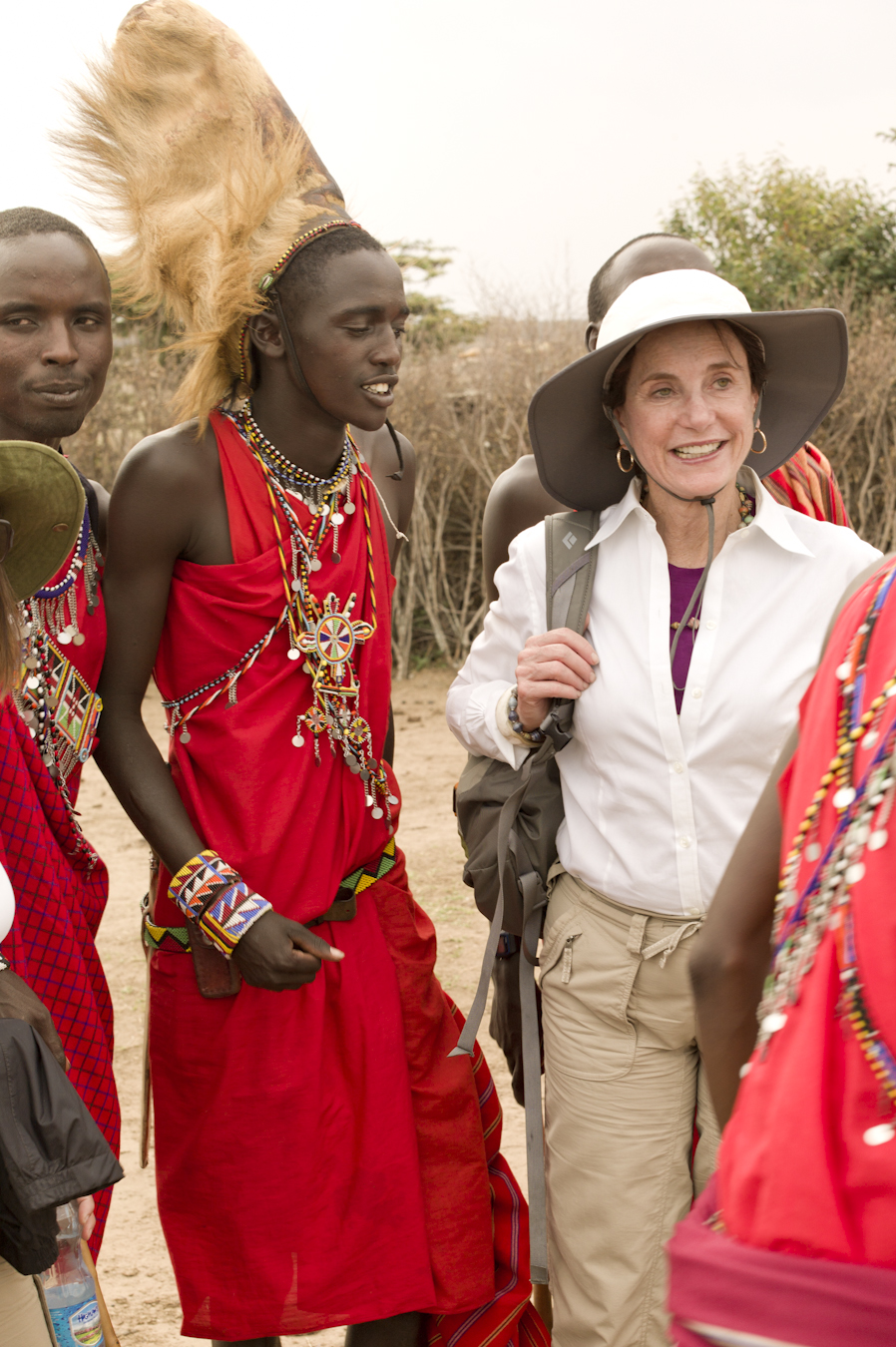
Nancy and Maasai:
Nancy and Maasai
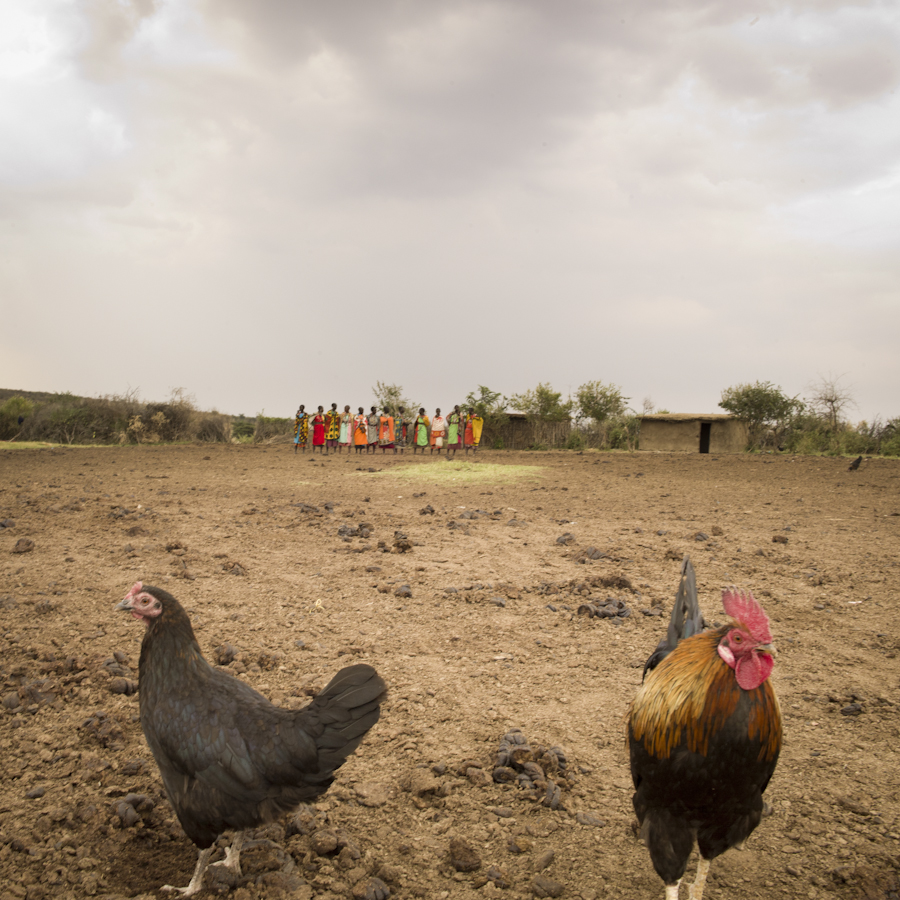
Maasai chickens:
Massai chickens
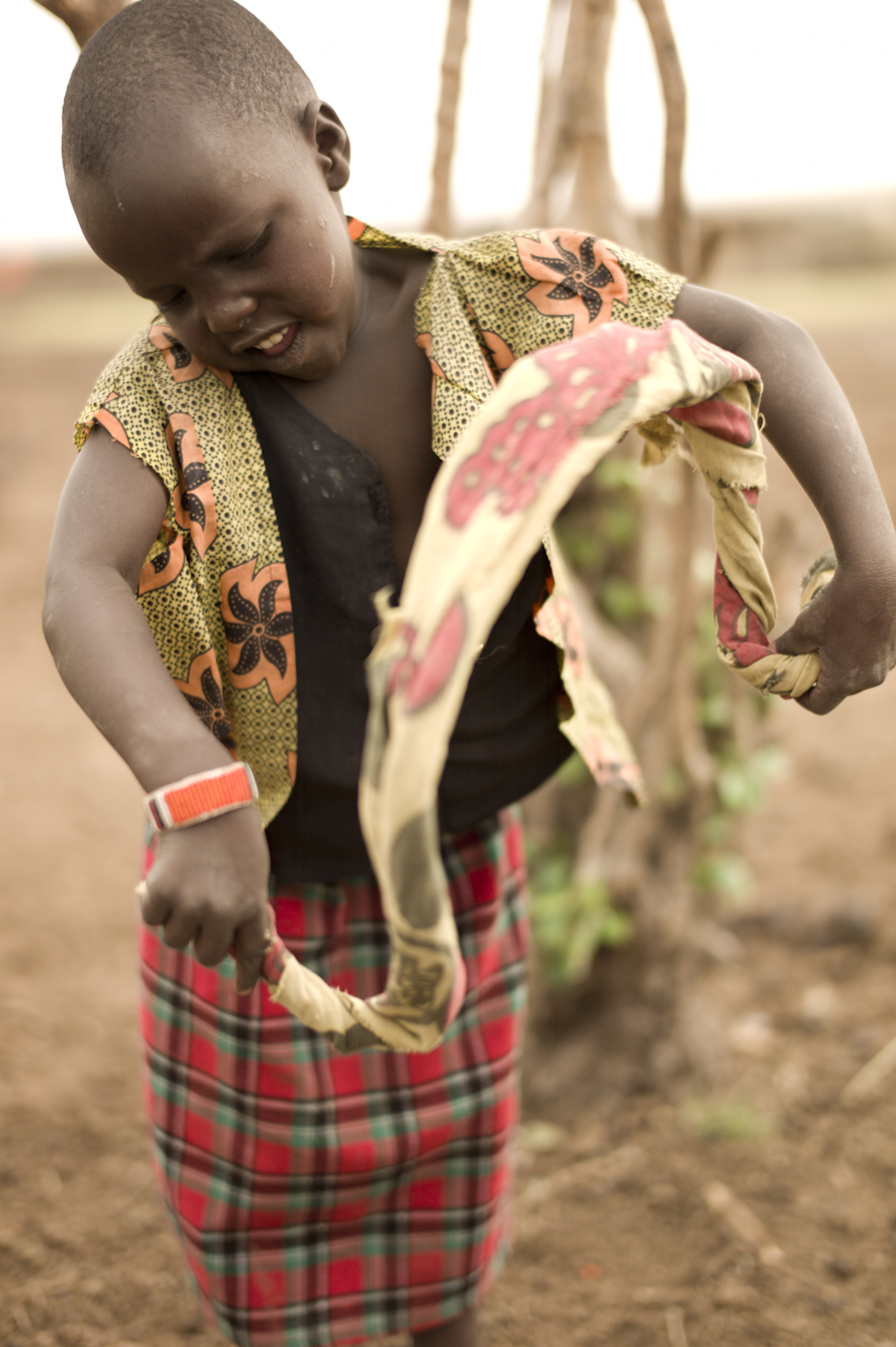
Maasai child at play:
Maasai child at play
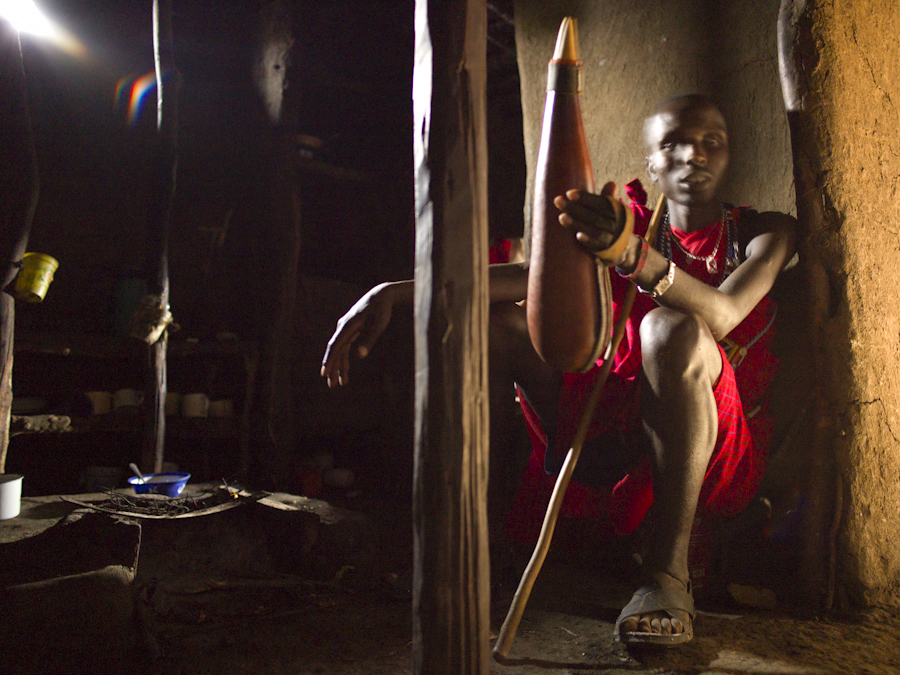
We were taken into a Maasai house – they are constructed of acacia branches driven into the ground and covered with cow dung. There is one very small window – 6 cm or so in diameter.
Inside a Maasai home
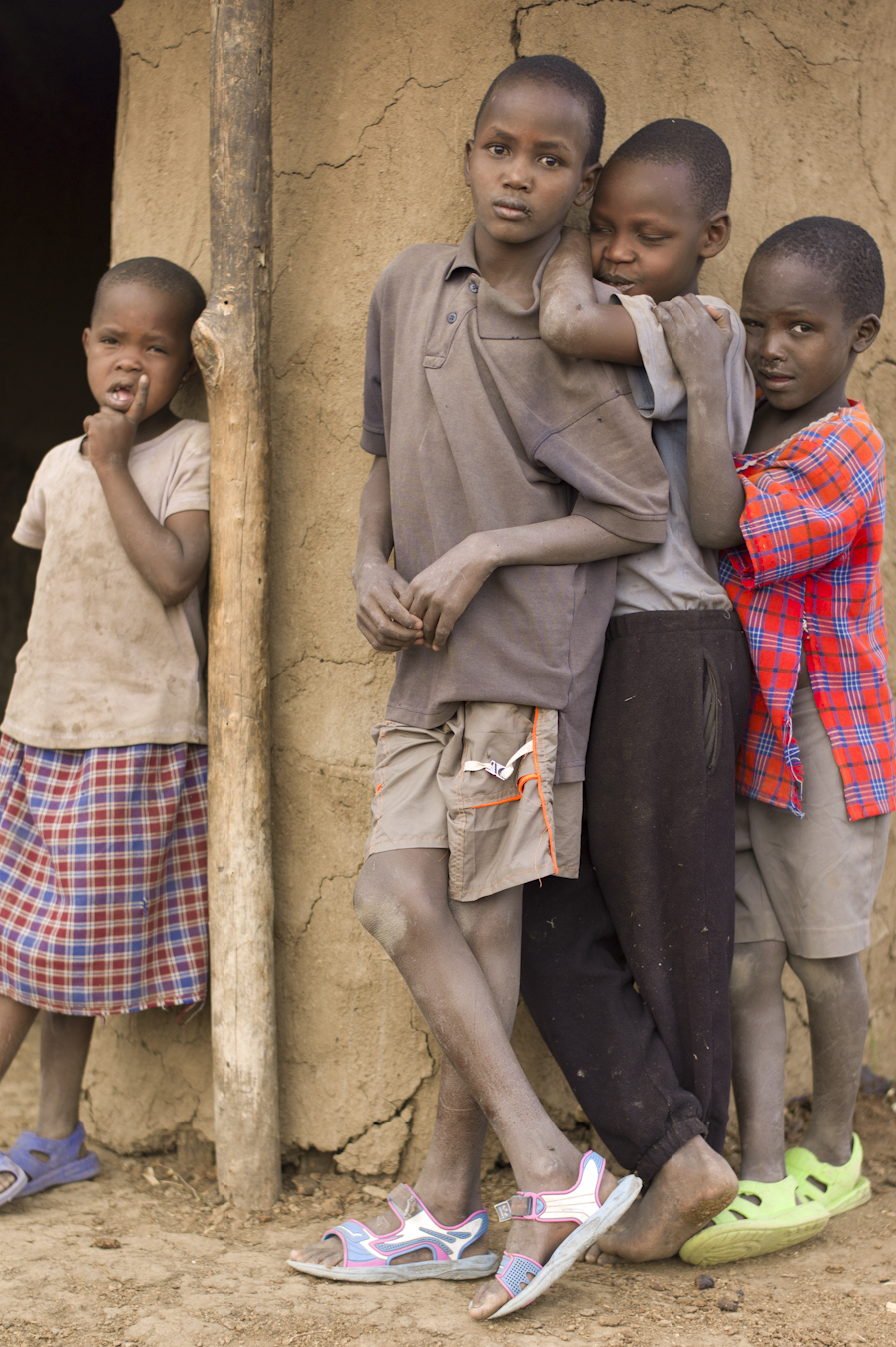
Maasai children in the door of a Maasai house. Maasai boys
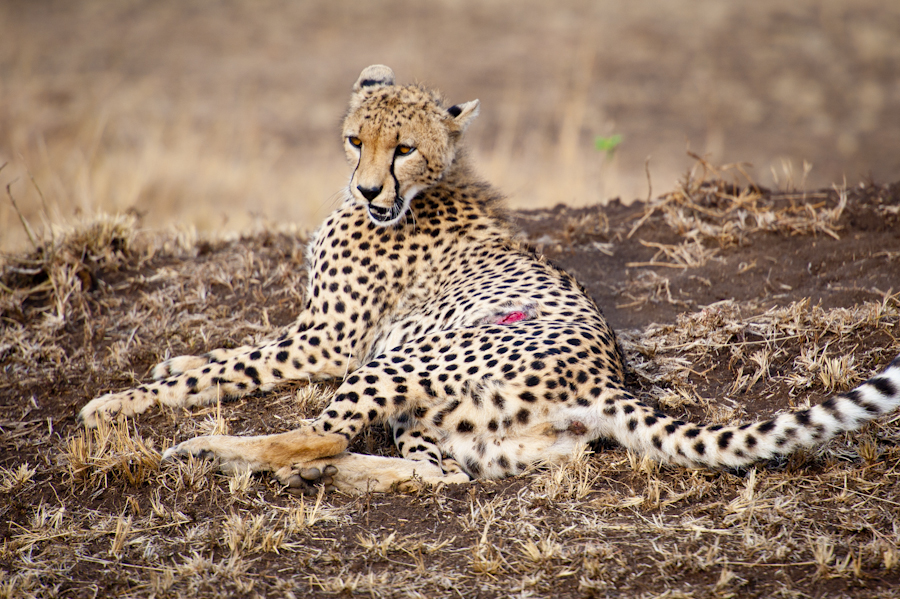
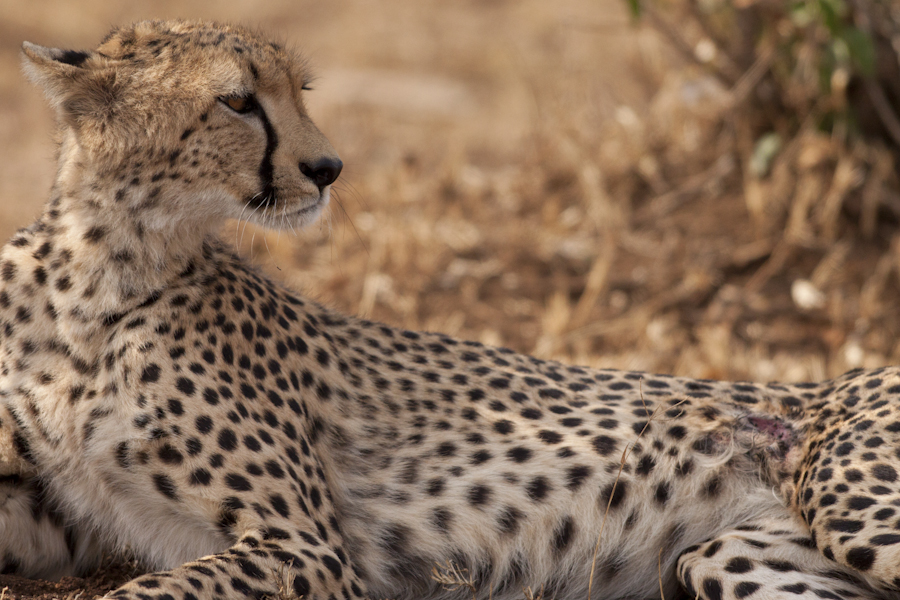
MAASAI MARA, KENYA – On our two-hour drive back from our balloon landing site we again encountered plentiful game. Here’s a cheetah, the worlds fasted land animal. This specimen in injured – see the red spot on its thigh – probably a spotted hyena bite. Here’s info on the cheetah: Cheetah.
CheetahCheetah
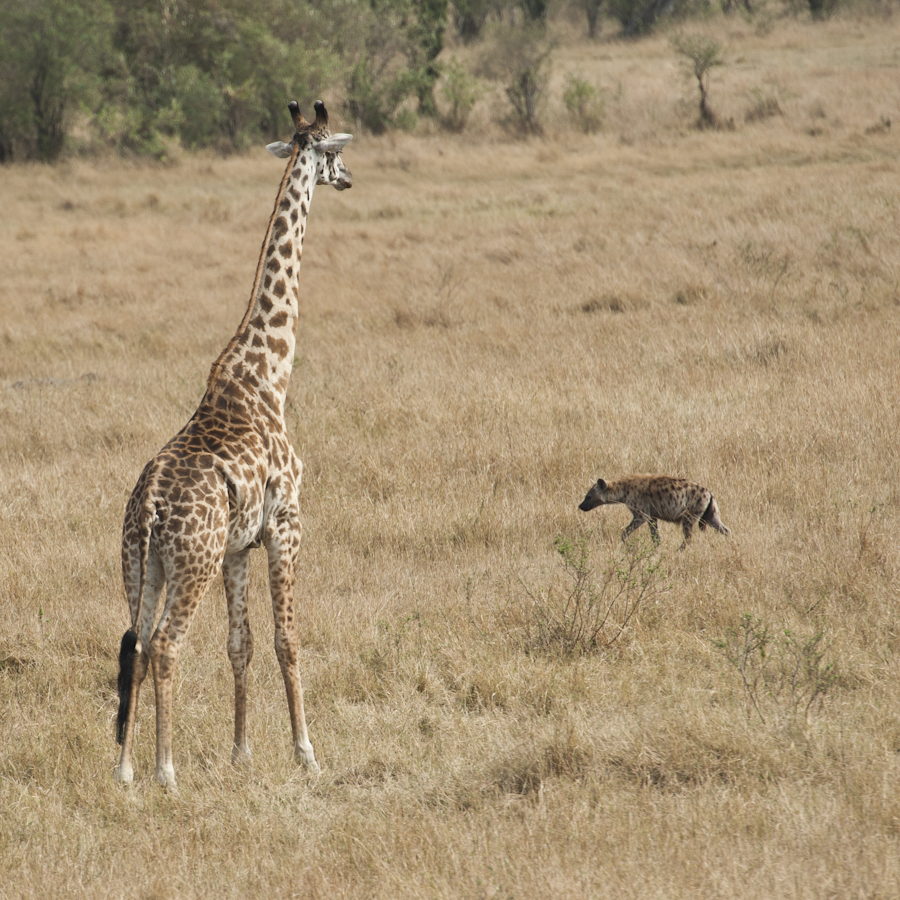
Here’s a giraffe confronting a spotted hyena. The hyena is the nastiest predator in the bush. It jumps on its prey, clings to it with it claws and simply starts eating it, crunching flesh and bone with its powerful jaws. It’s no match for a healthy adult giraffe though, so the hyena in this picture is making a respectful circle around the giraffe. Here’s a link to the Wikipedia entry on hyenas: Hyenas.
Giraffe confronts a spotted hyena
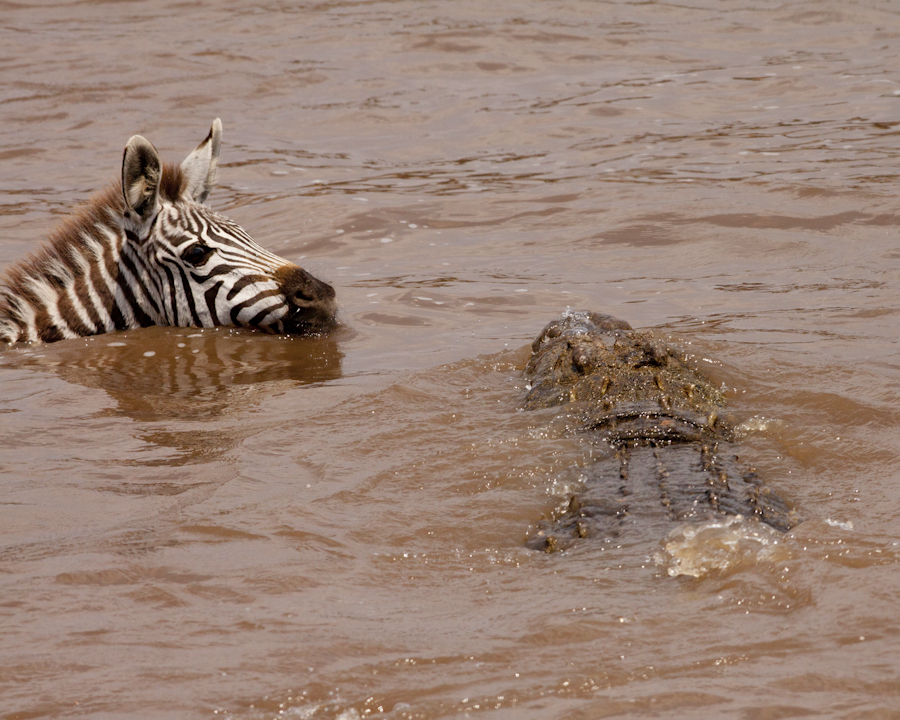
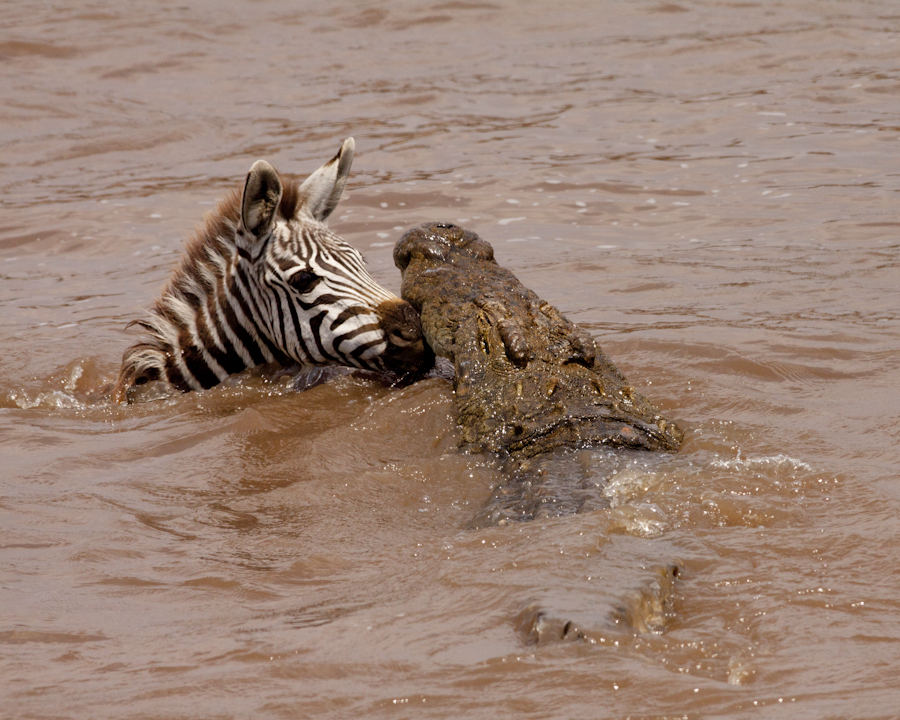
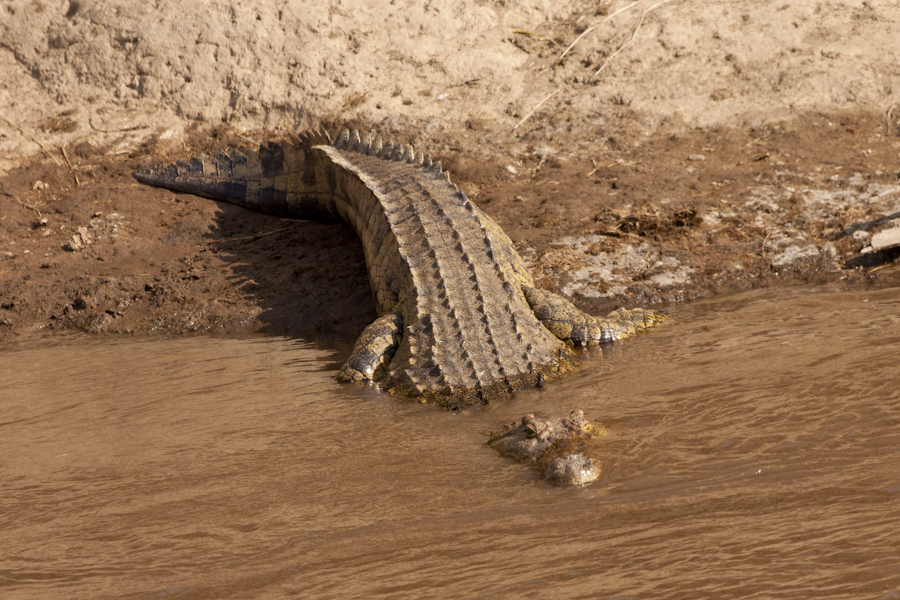
Crocodile. Rivers and streams are infested with them. Some look like they are about the size of nuclear submarines.
Crocodile
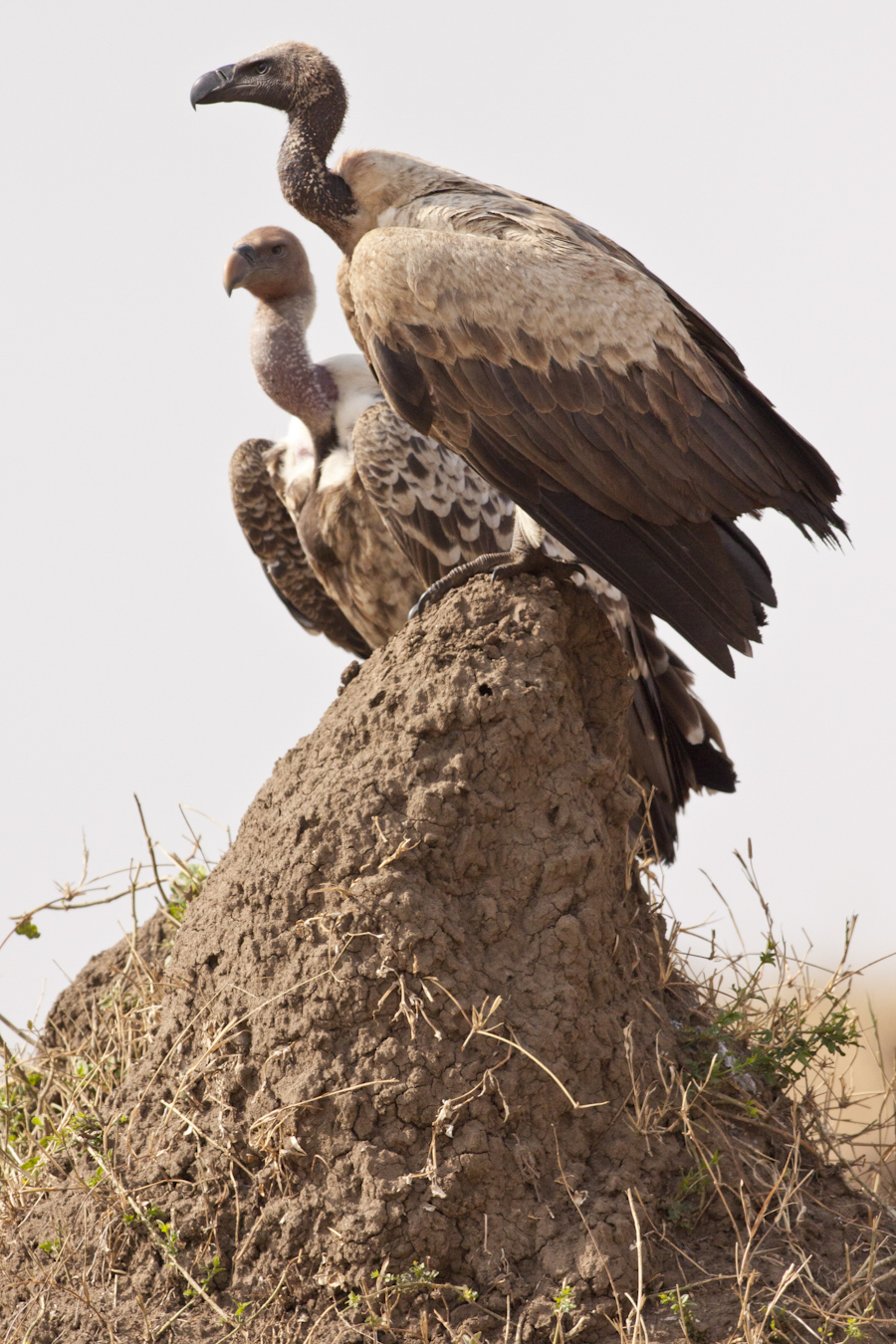
Vultures on a termite mound:
Vultures on a termite mound
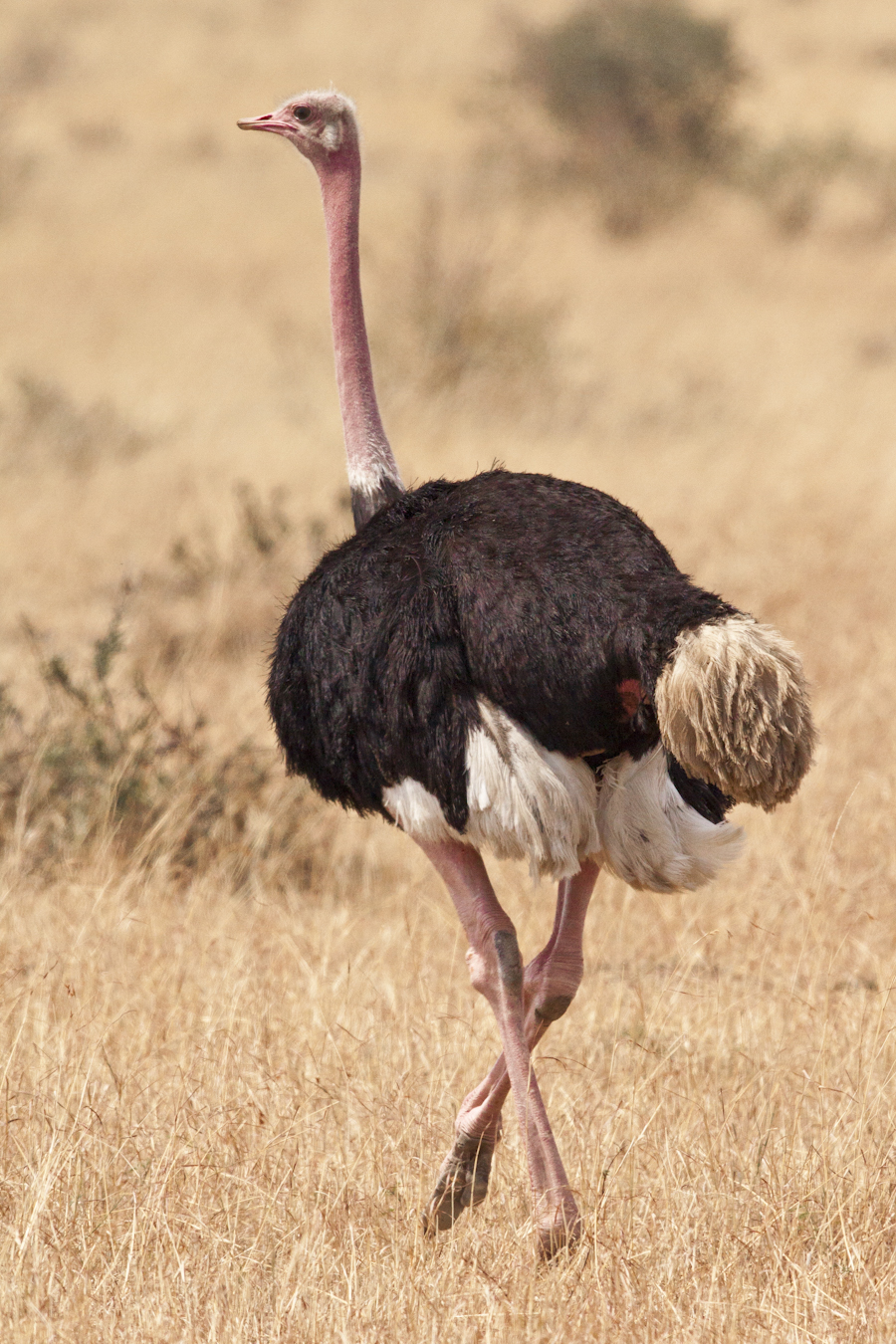
Male ostrich looking for a date. The males have black bodies; the females are gray. The red neck and legs are a courtship display.