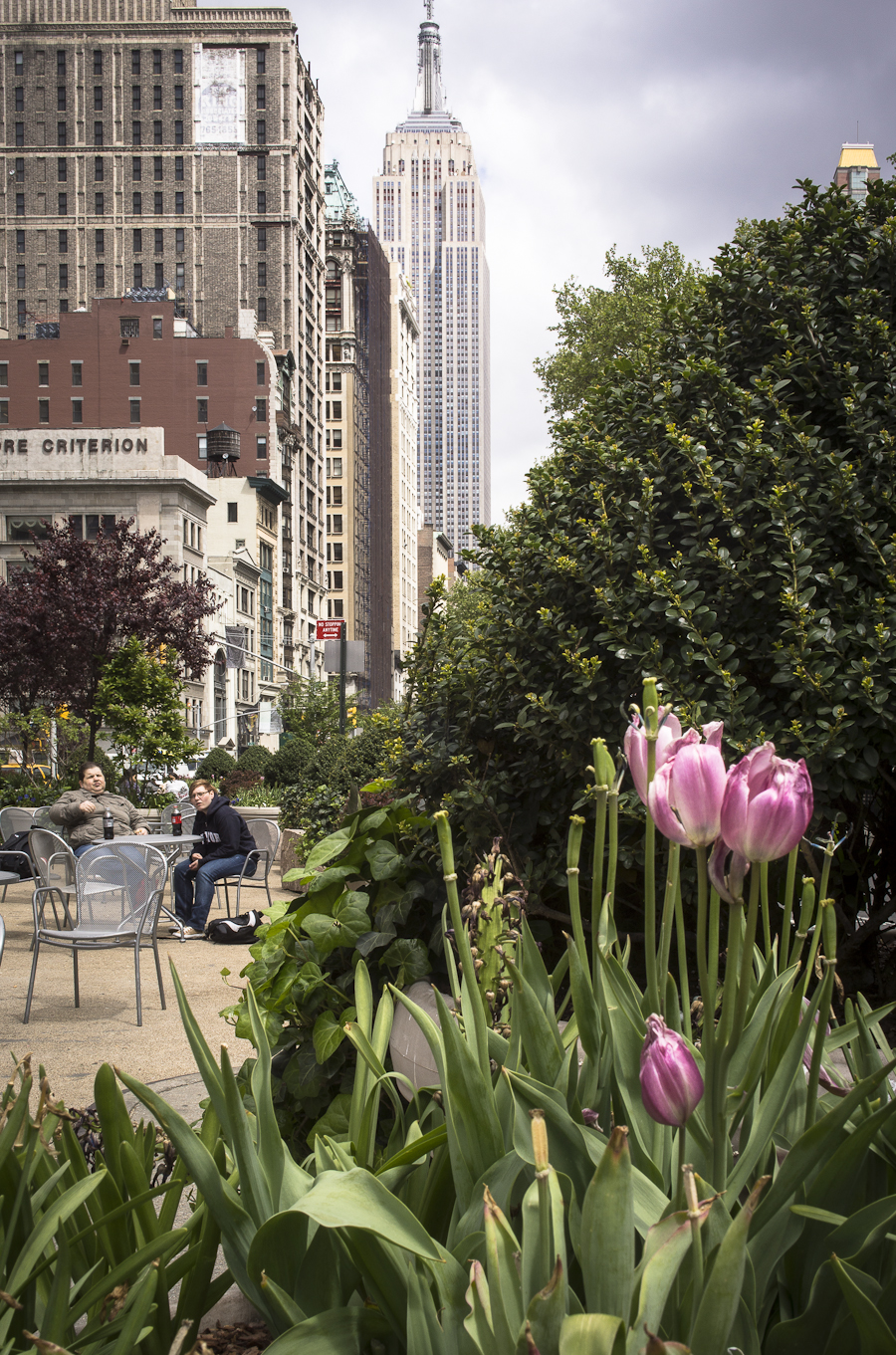
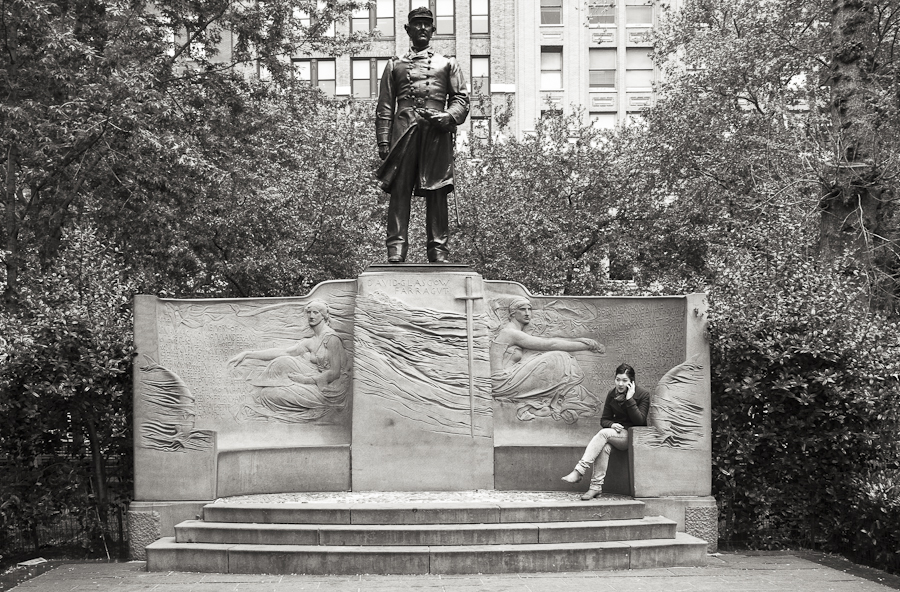
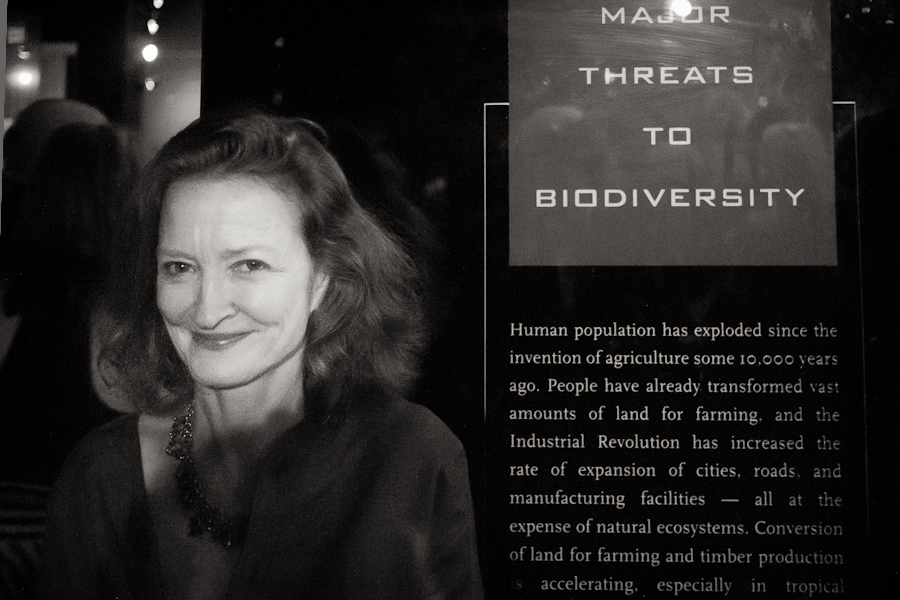
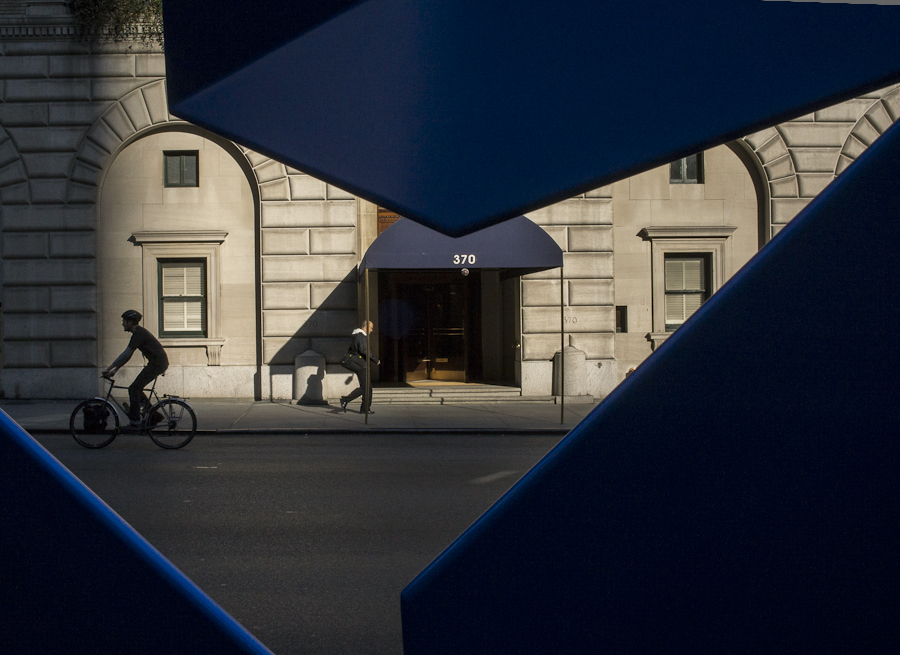
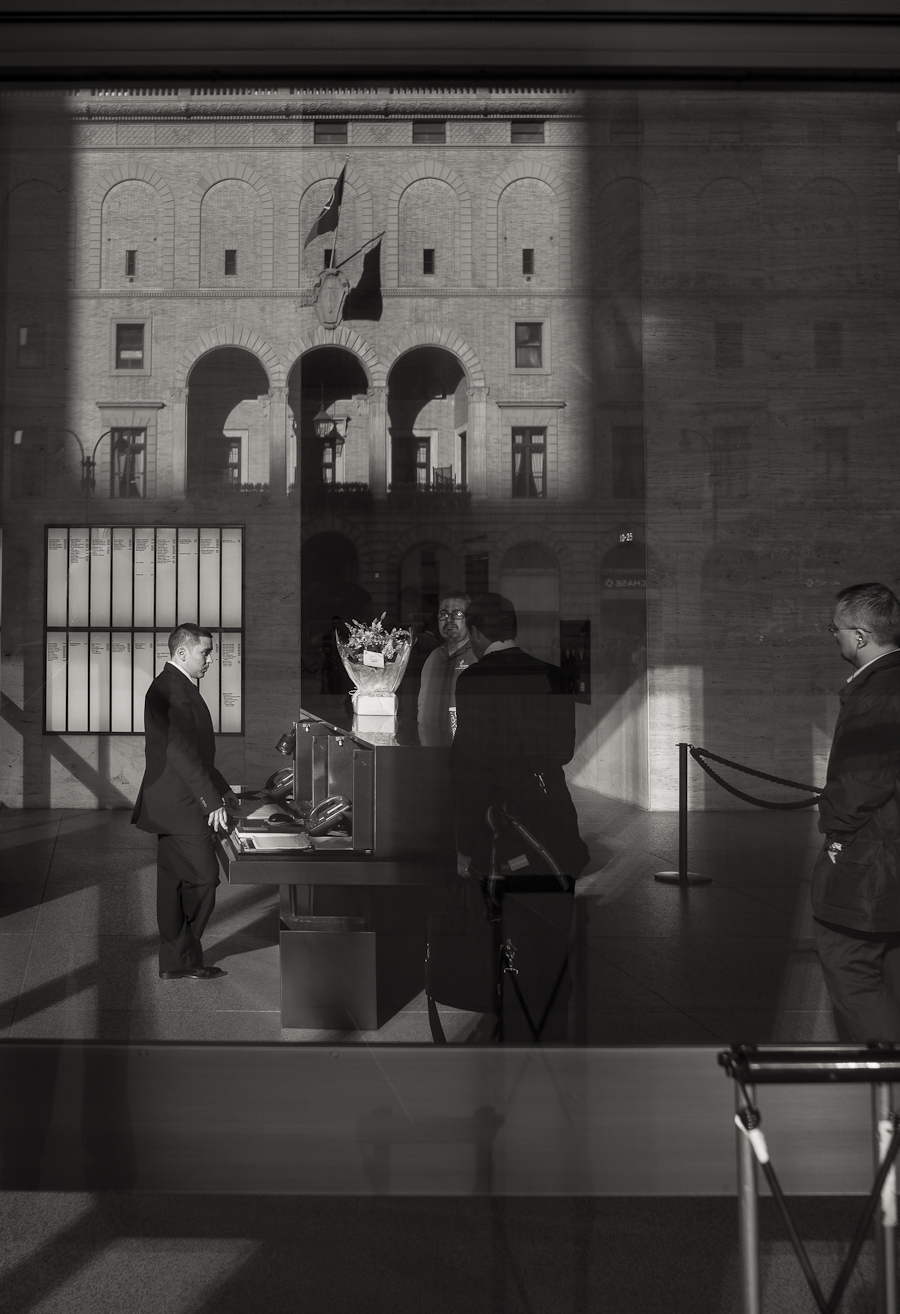
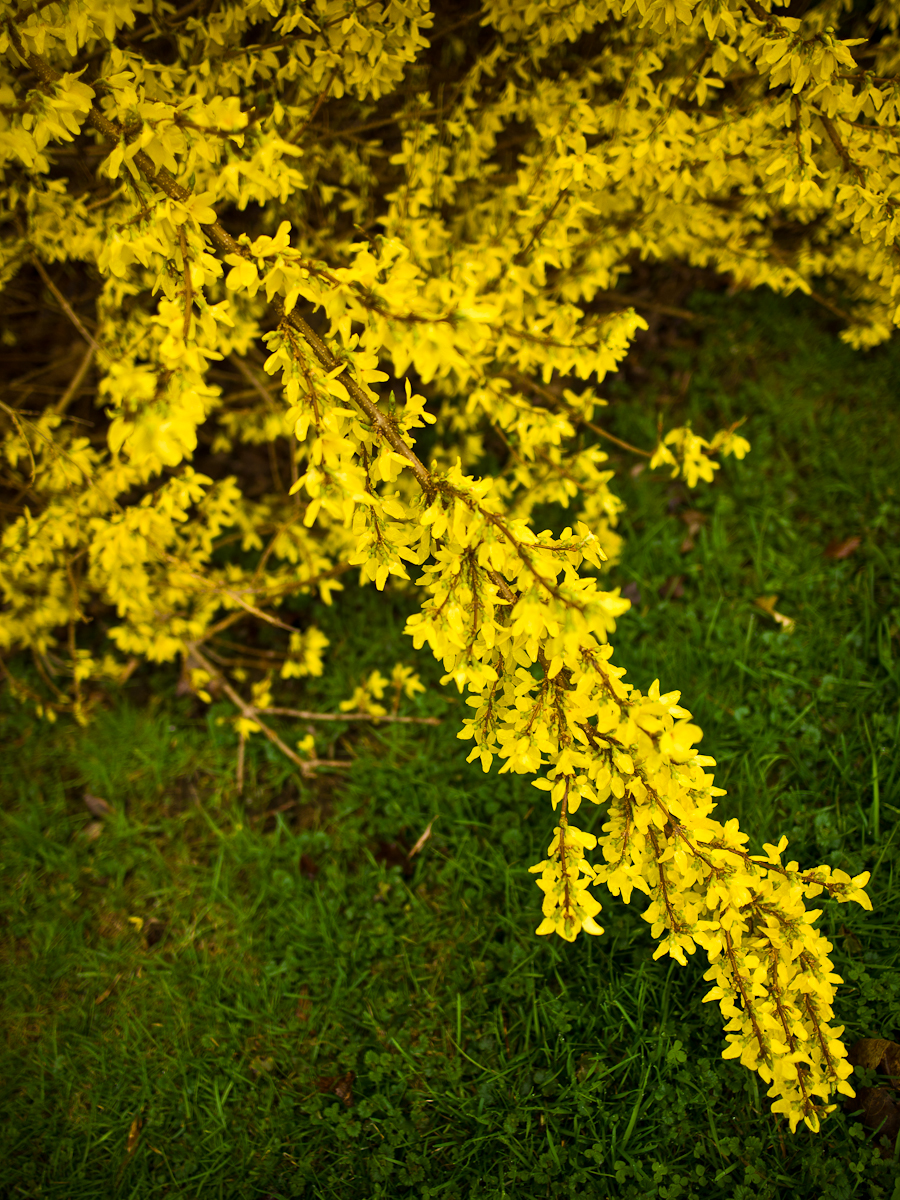
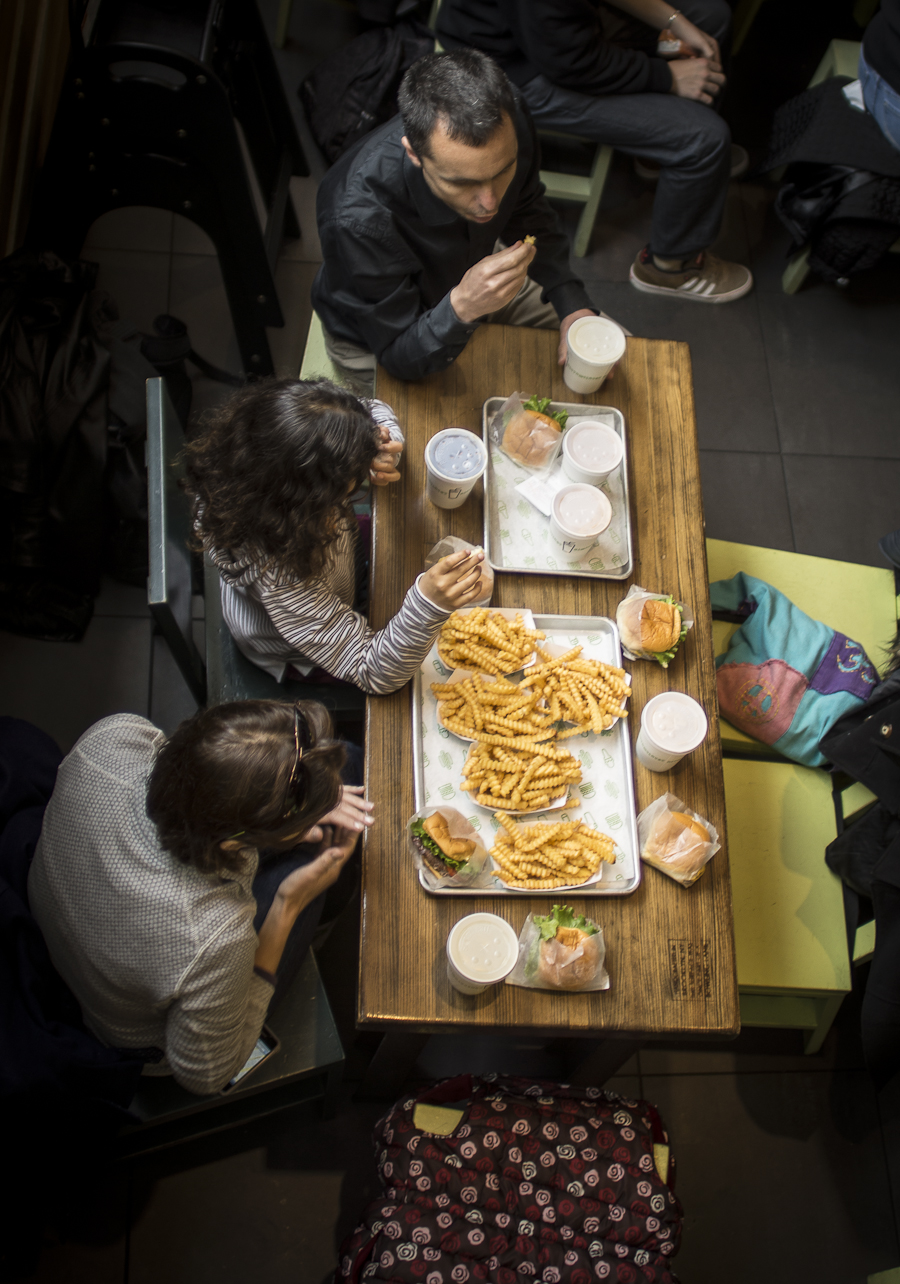
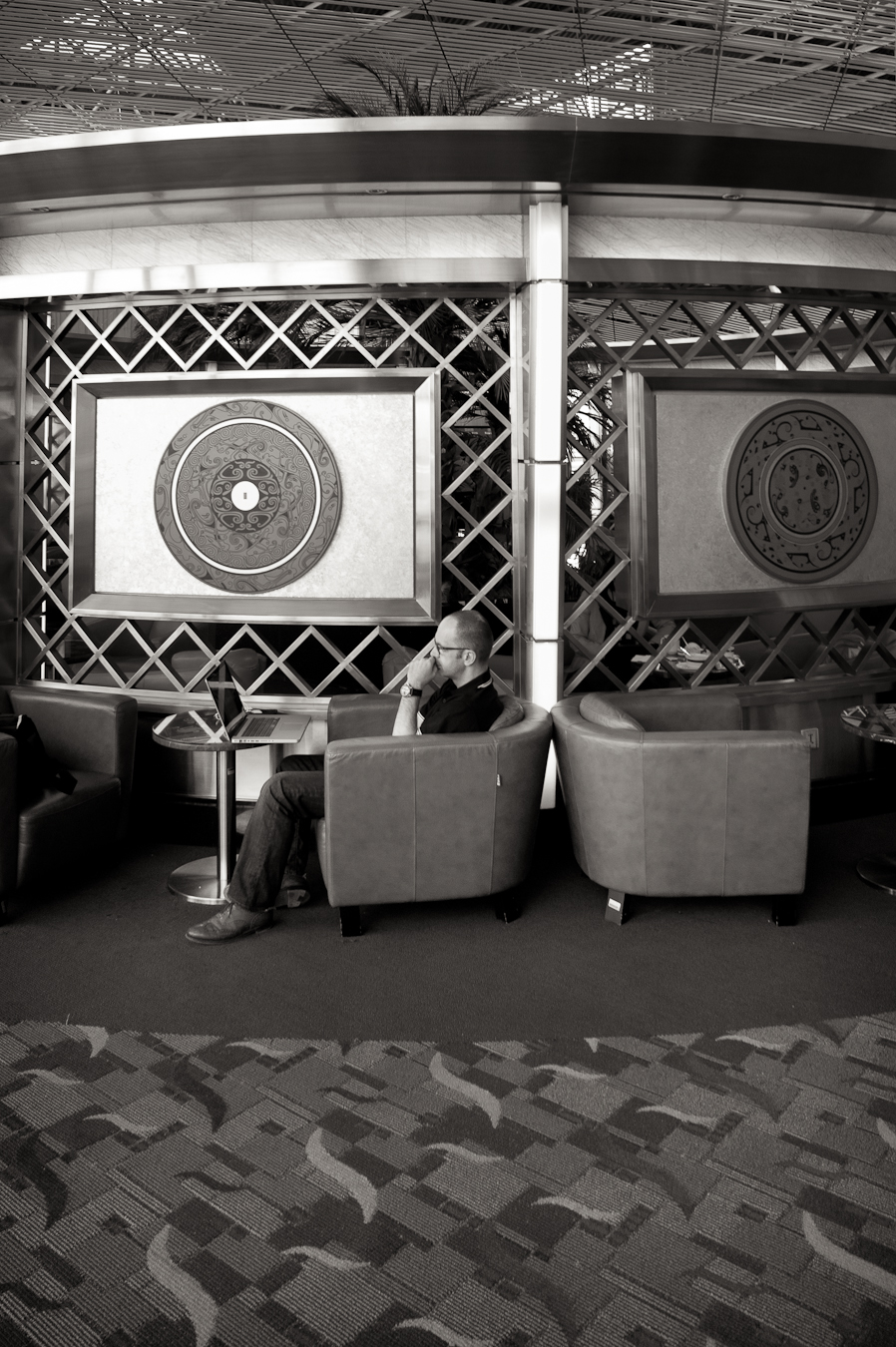
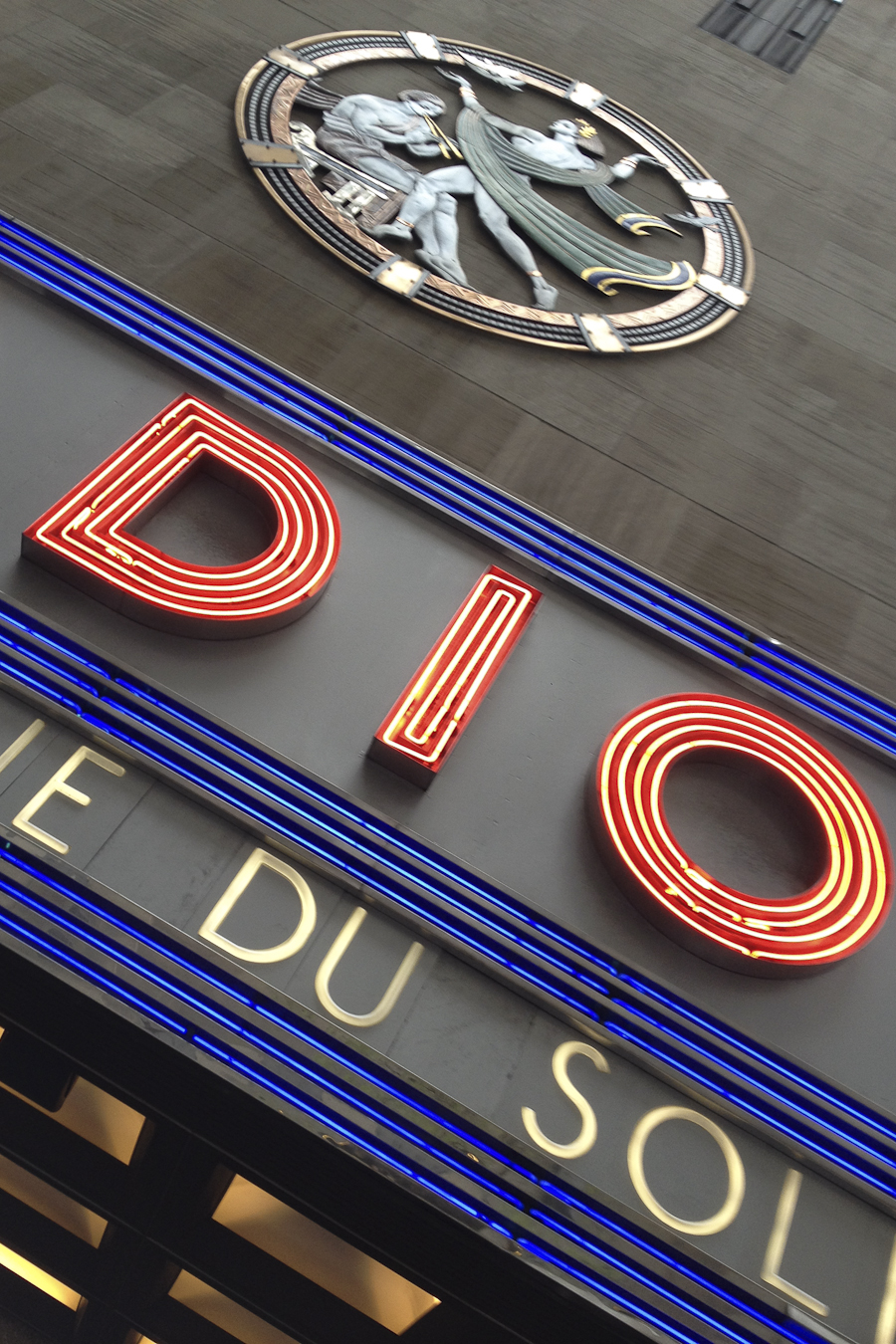
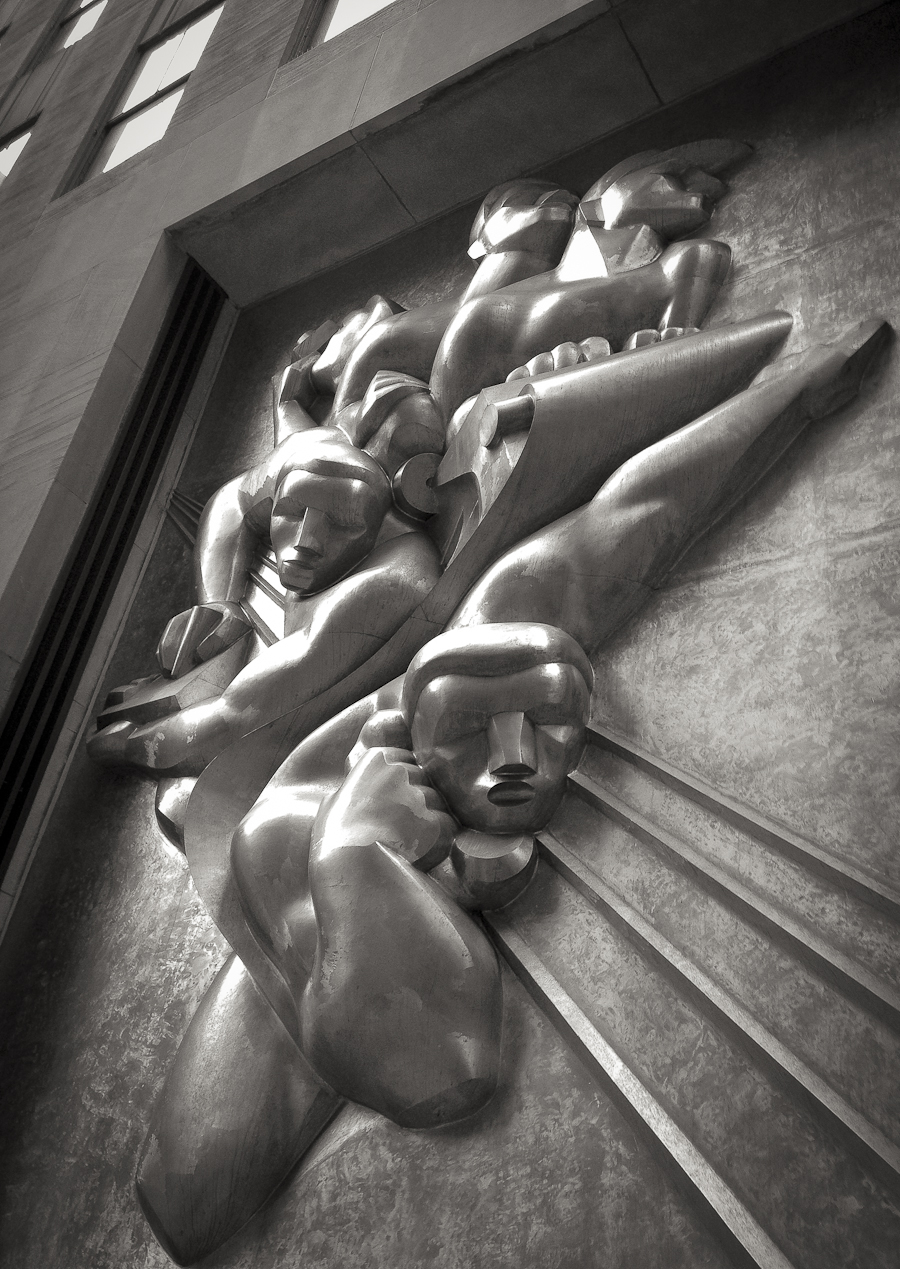
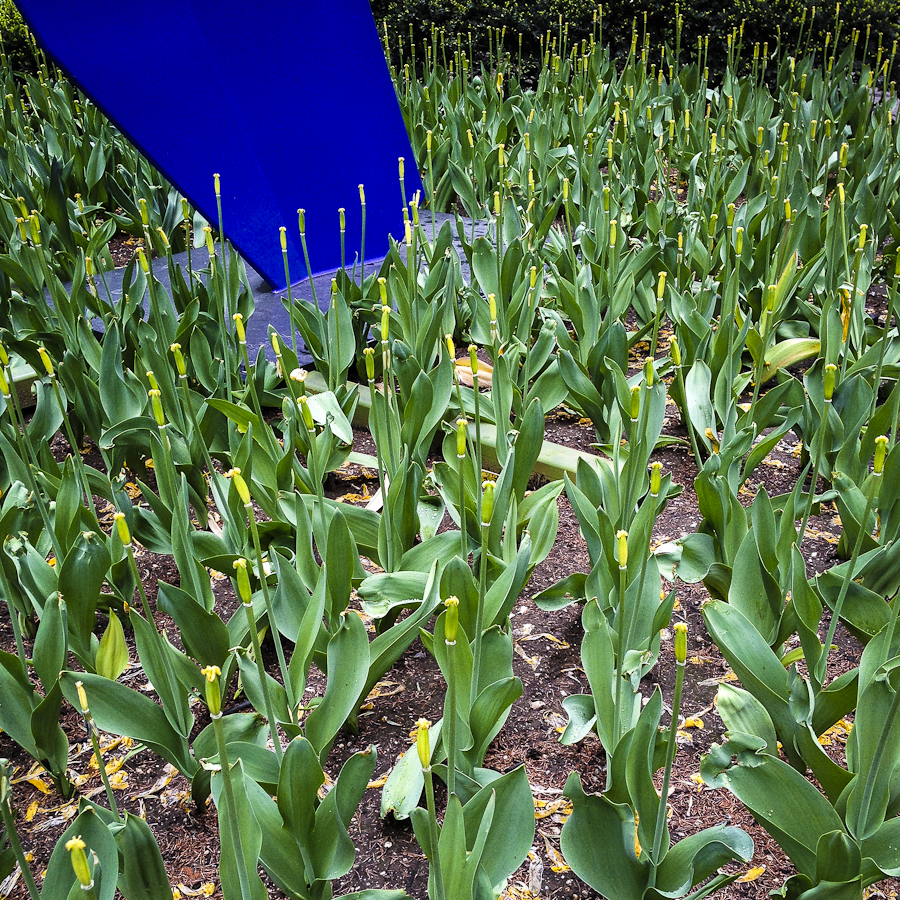
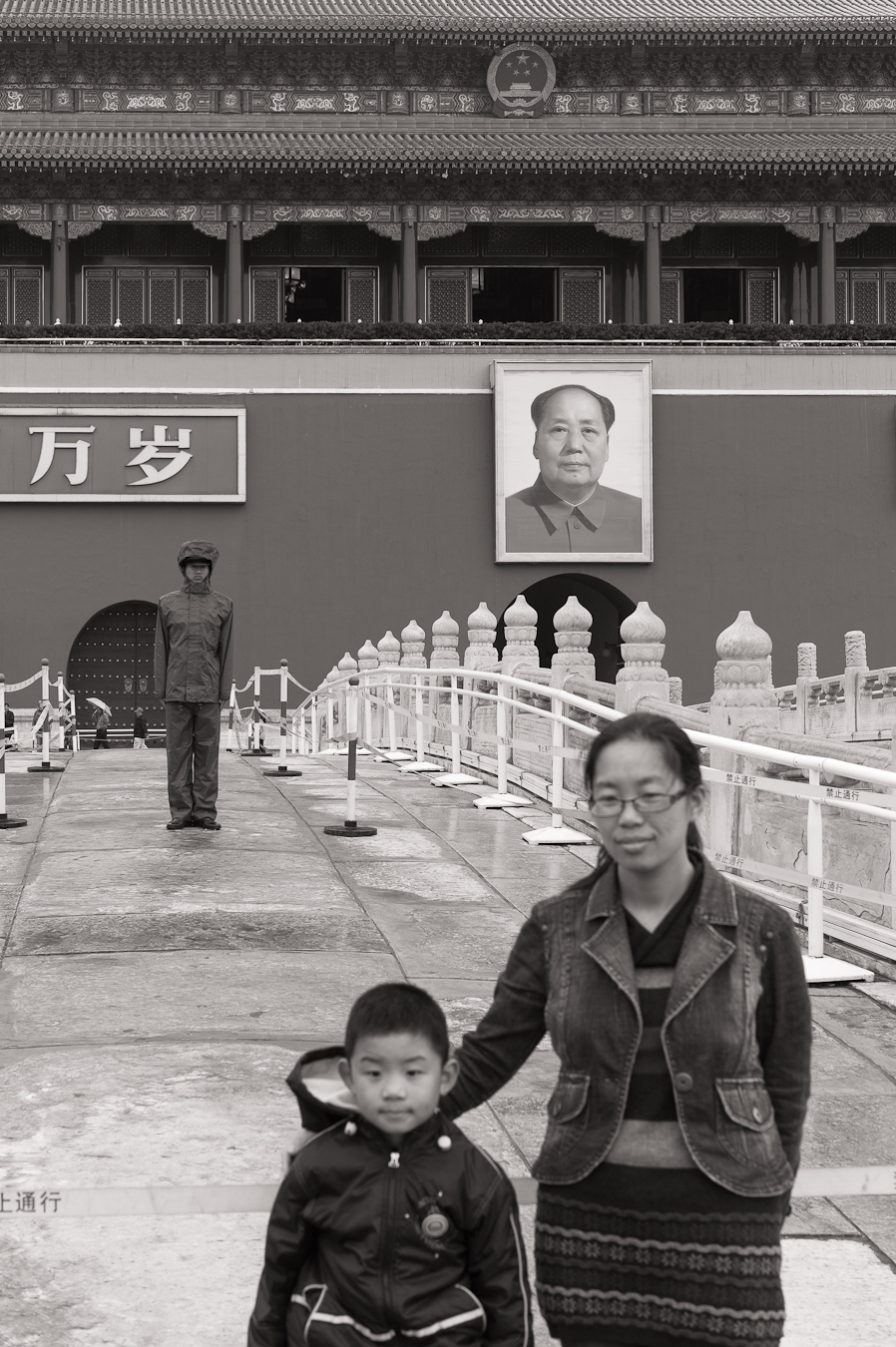
NEW YORK NEW YORK – Another gray unappealing day. Where do these thing come from? I really take better pictures in nice light. Anyway, I shot in the 23rd Street area for a bit today and came up with this, shooting with my Sony NEX-7 and Leica 24mm Summilux. In editing images today i started an experiment with the “soft proofing” feature in Lightroom, new to the relatively recent version 4.0. It predicts what your picture will look like in print or on the web, overcoming a slight bias toward printing too task and flat if you don’t soft proof.
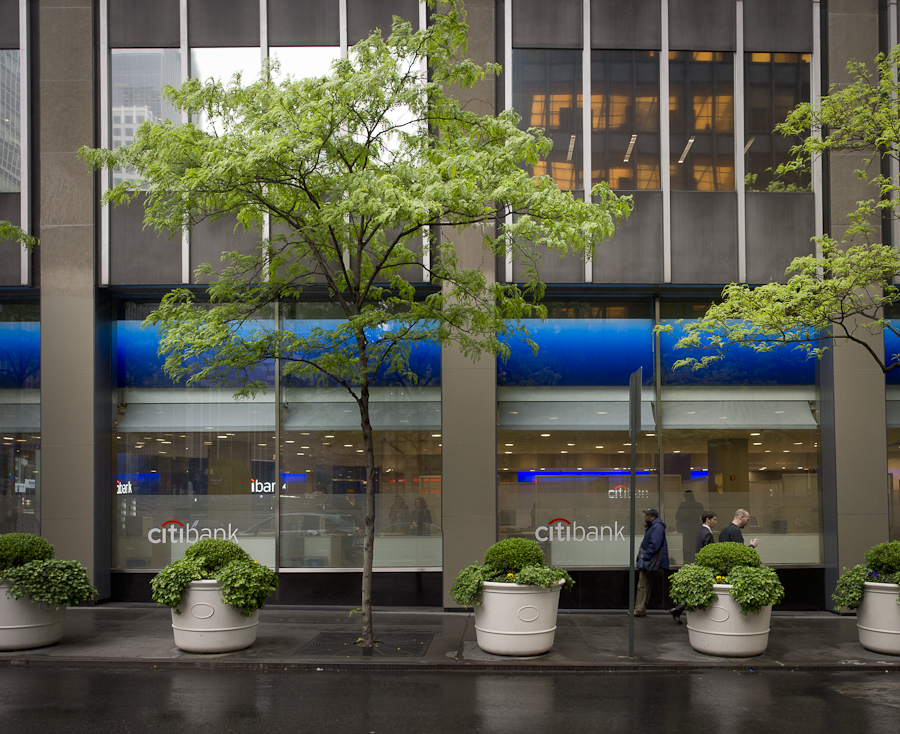
NEW YORK NEW YORK – A rainy day, but the wetness made the colors delicious. Here’s the Zen of Citibank. Two frames stitched taken with my Sony Nex-7 and a 24mm Leica Summilux lens.
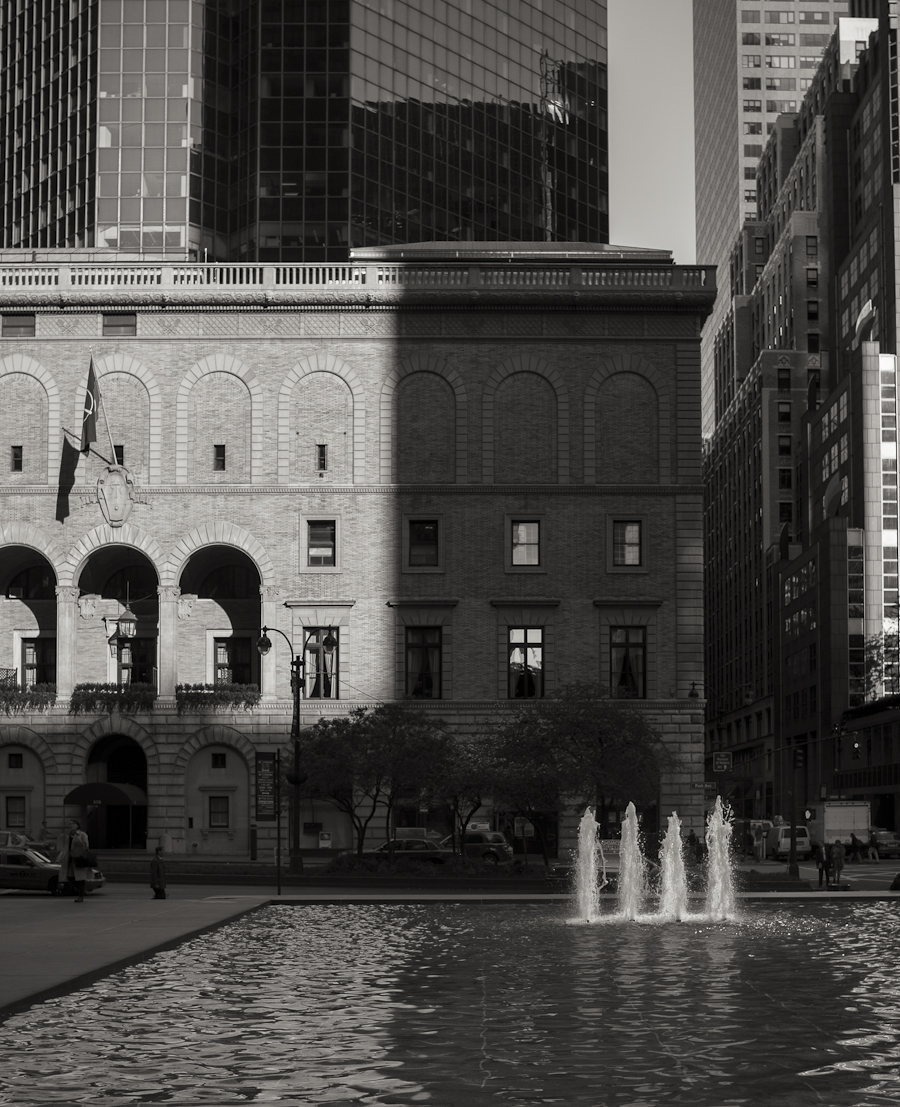
NEW YORK NEW YORK – I’ve been thinking about what it is to photograph landscape (whether urban or otherwise). Let me describe the experience. There comes a moment when you physically experience some remarkable aspect of the light. For me the world seems to grow quiet and I work without thinking, intuitively. Time seems suspended. I reach this state of mind on those rare occasions when the light is very special and combines with the scenery in front of me to create a heightened sense of reality. It’s good to have a camera in hand when this happens. I’m not wildly successful seeking these moments out with a tripod.
there was one of those moments this morning in the space between the Seagrams Building and the Racquet and Tennis Club.
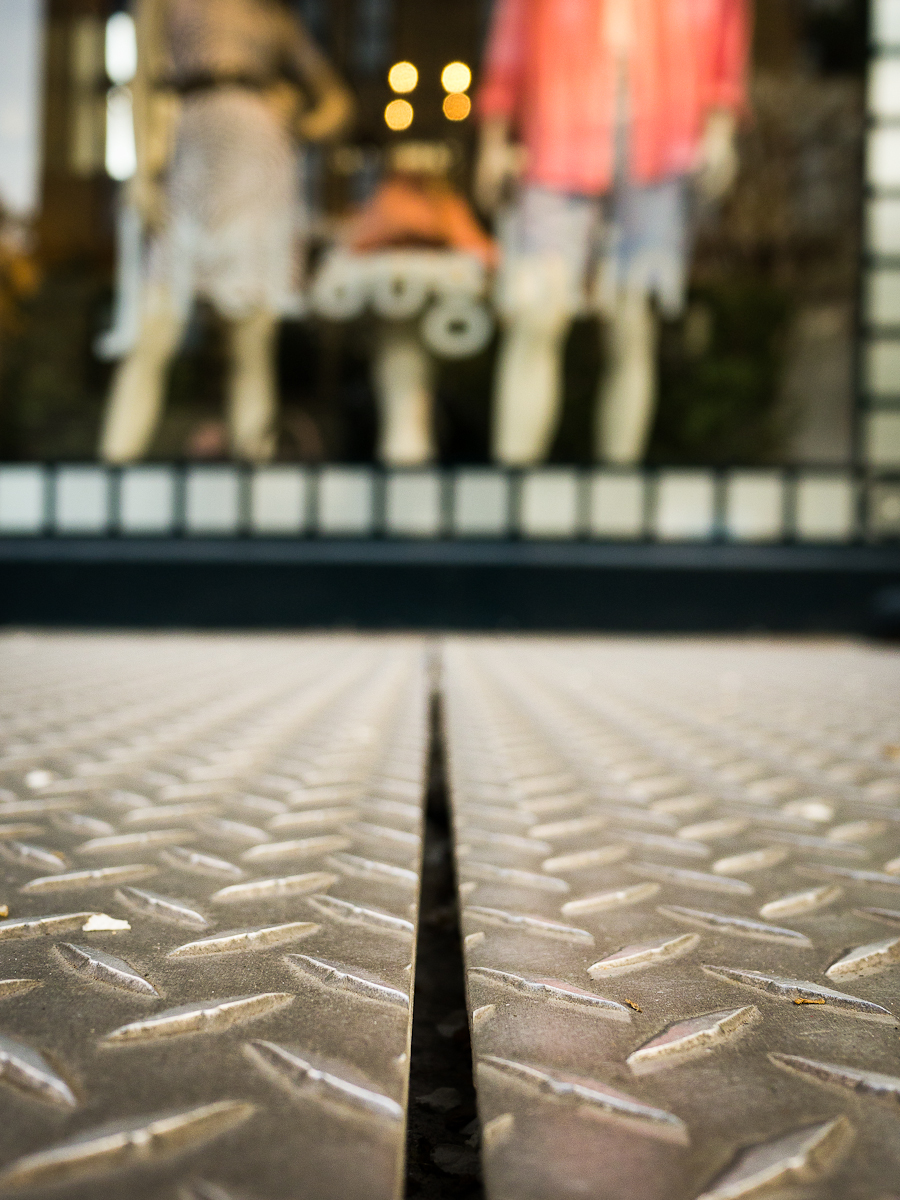
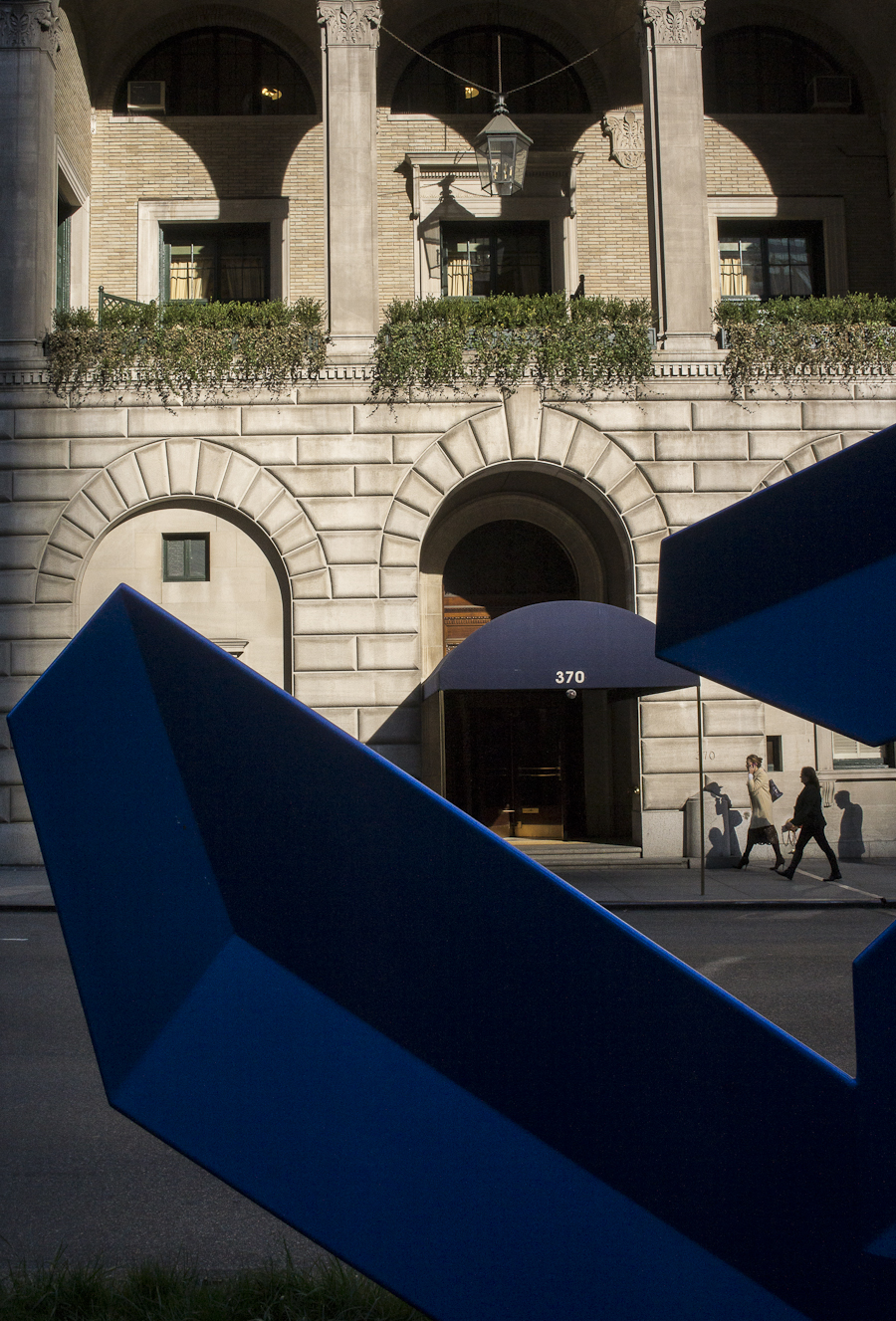
NEW YORK NEW YORK – I walked around midtown with my iPhone and the 645 Pro app. I guess the name of the app is supposed to suggest medium format capabilities. Well it doesn’t turn the iPhone into a medium format camera, but its “raw” format may add a stop or so of dynamic range. Here’s an example. Note the slightly unpleasant bokeh in the out of focus portion of the image.
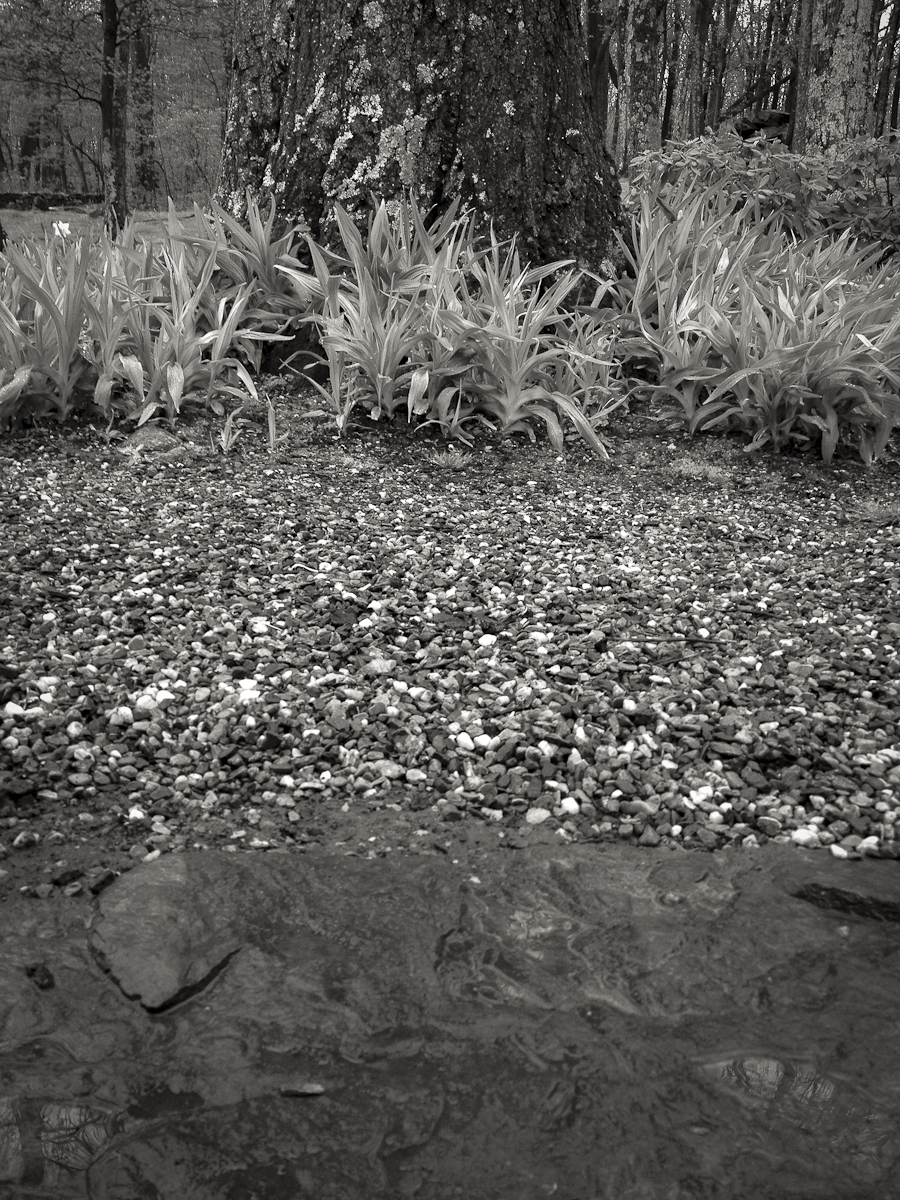
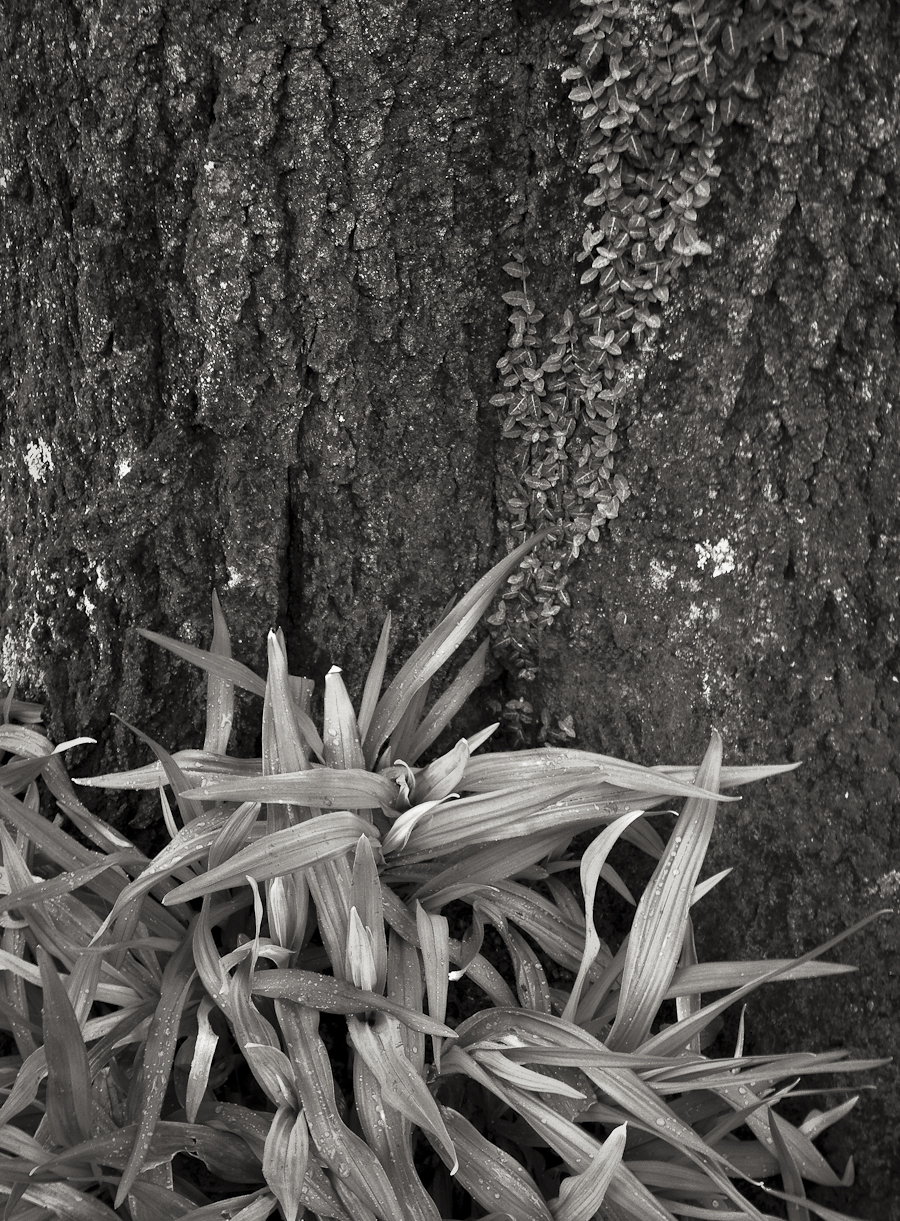
WARREN CONNECTICUT – I tried a new iPhone app today called 645 Pro. It offers “raw” files, actually tiffs, that appear to me to have a stop or more of dynamic range that the iPhone jpegs and present fewer digital artifacts. It eats battery life so I’m waiting for a new release before I press it any further. A couple of examples in a “rocks and trees” vein.
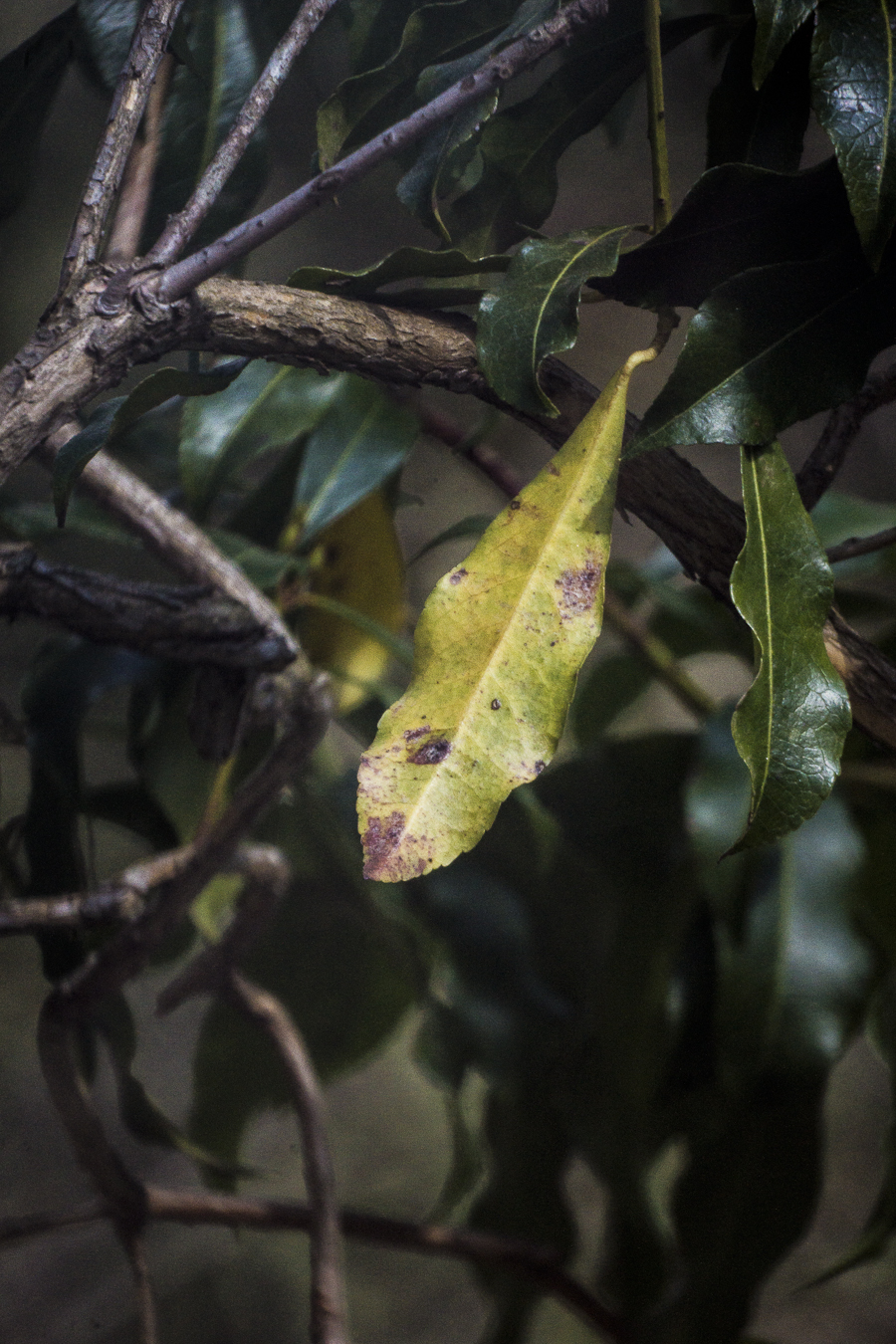
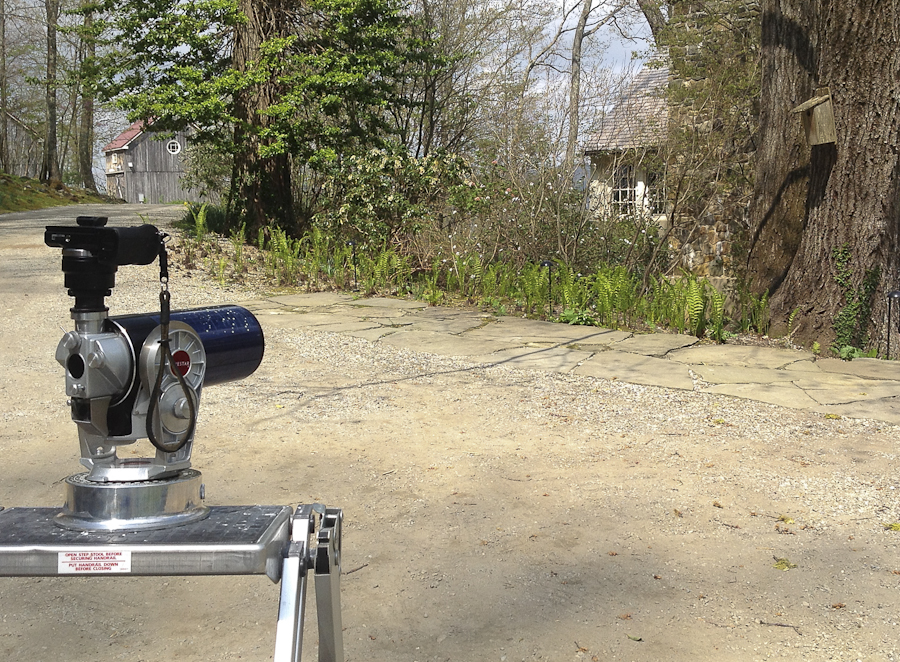
WARREN CONNECTICUT – I spent some time today working with my Questar telescope as a close up lens. The Questar is a Maksutov-Cassegrain design – the first of these that was available in the US commercially. It was an object of lust in the 50s and 60s – some number of years ago I found that they were still being made in New Hope PA, so I bought one. These are inherently long focal length, small aperture designs that are good for planetary observations but poor for deep space objects. It’s focal length is 1280mm. My Sony Nex-7 is fairly easily attached to it via a Rube Goldberg combination of adapters. The Sony works well on the Questar because the camera is light and its resolution matches that of the telescope fairly well. Here’s a leaf shot with the Questar. Depth of focus at this focal length is paper thin. Note the funky bokeh (the out of focus portions of the image) – this is a common issue with folded optics which have central mirrors partially blocking the exit pupil.
Leaf
Here’s the Questar set up to take the above image taken with my iPhone.
Questar
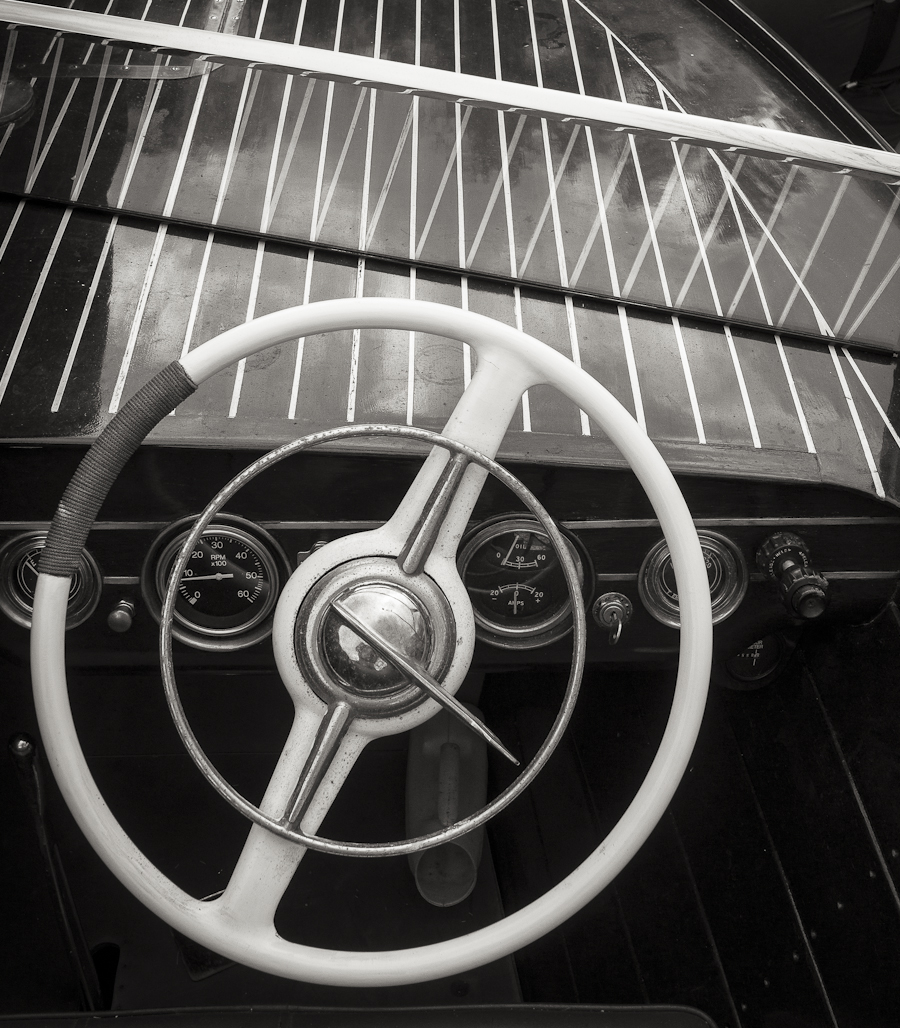
Here’s the new boat, re-cropped to exclude Roger. With Roger in it it was a snapshot. Excluding Roger and moving to a square (almost) format leaves a composition of circles and angles and to my eyes makes the picture more important.