SAN PABLO DEL LAGO ECUADOR – The cemetery near the Hacienda Cusin, a lovely inn.
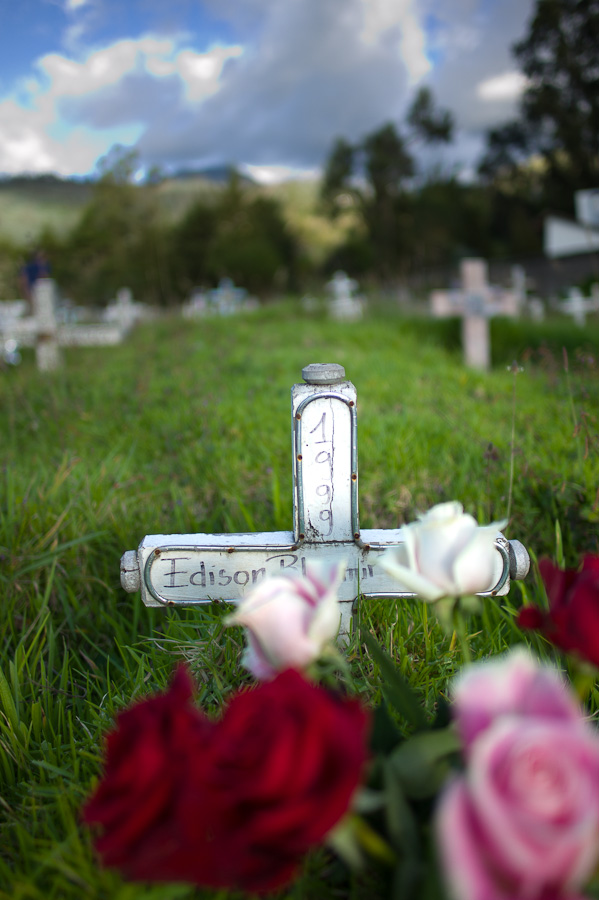
Leica M9 with 24mm Summilux.
SAN PABLO DEL LAGO ECUADOR – The cemetery near the Hacienda Cusin, a lovely inn.
Leica M9 with 24mm Summilux.
QUITO ECUADOR – The space above the a side isle in the Basilica del Voto Nacional in Quito. Wikipedia includes the following description:
“The basilica is the most important work of Neogothic Ecuadorian architecture and is one of the most representative of the Americas. It is the largest neogothic basilica in the New World. The building is noted for its grotesques in the form of native Ecuadorian animals, such as armadillos, iguana, and Galapagos tortoises.
“The Basilica is 140 meters long and 35 meters wide. It is 30 meters high in the sanctuary, 15 meters high in the votive chapels, 74 meters high in the transept, and 115 meters high in the two frontal towers. In the sanctuary, there are 14 bronze images representing 11 apostles and three evangelists. In the crypt, there is a pantheon containing the remains of several heads of state.”
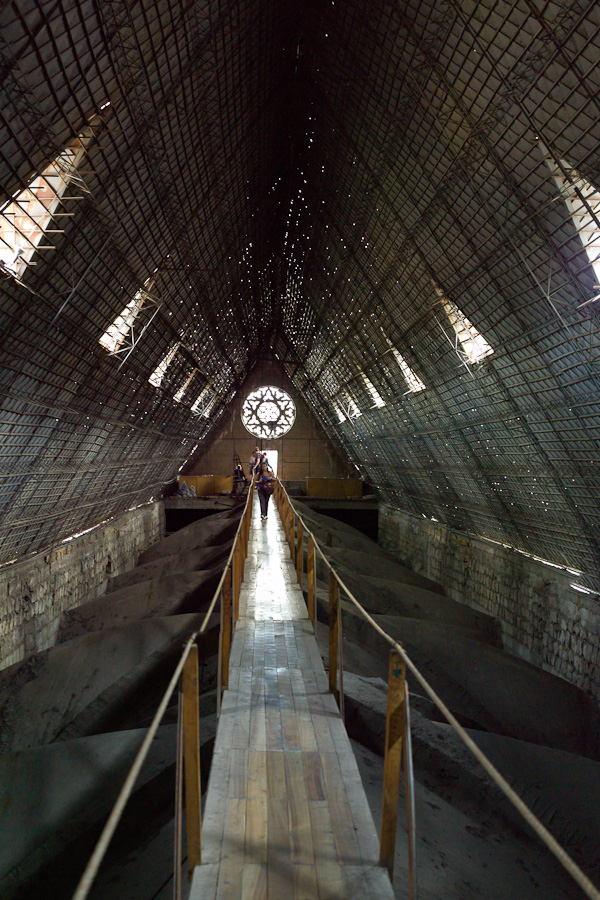
Leica M9 and 50mm Sumicron Asph. Three images stitched.
NEW YORK, NEW YORK – This was a travel day, starting in the morning at LaGuardia and ending the day in Quito, Ecuador, via Miami. This out of the window of a taxi on the way to LaGuardia. The Bridge is the Triborough Bridge – at least that’s its historical name and what most New Yorkers call it. It was officially renamed the Robert F. Kennedy Bridge in 2008. Here’s a short excerpt from the Wikipedia entry on the bridge:
“Construction had begun on Black Friday in 1929, and the Triborough project’s outlook began to look bleak. Othmar Ammann’s assistance was enlisted to help simplify the structure. Ammann had collapsed the original two-deck roadway into one, requiring lighter towers, and thus, lighter piers. These cost-saving revisions saved $10 million on the towers alone. Using New Deal money, the project was resurrected in the early 1930s by Robert Moses and the bridge was opened to traffic on July 11, 1936.”
Here’s a link to the Metropolitan Transit Authority’s page on the bridge: RFK Bridge
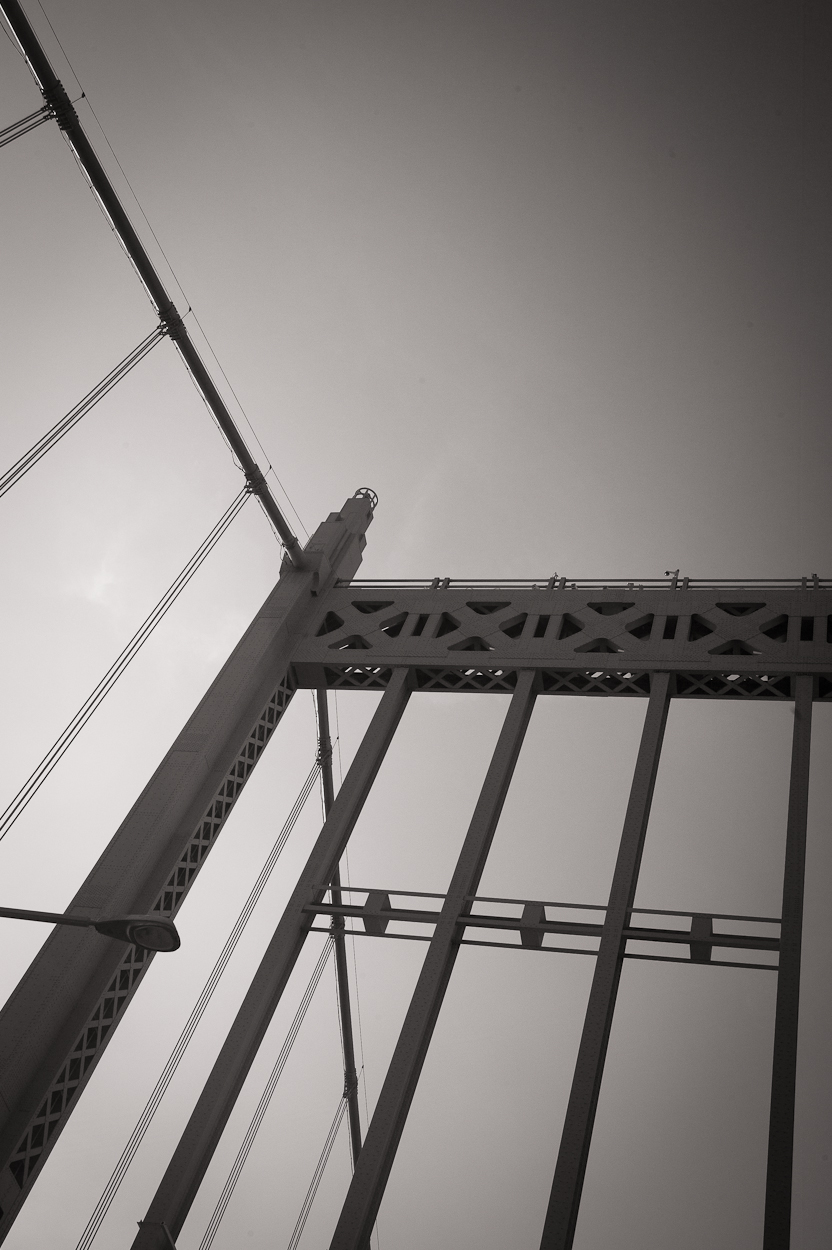
Leica M9 and 35mm Summicron Asph.
NEW YORK, NEW YORK – A walk in the East Village in the evening of the longest day of the year.
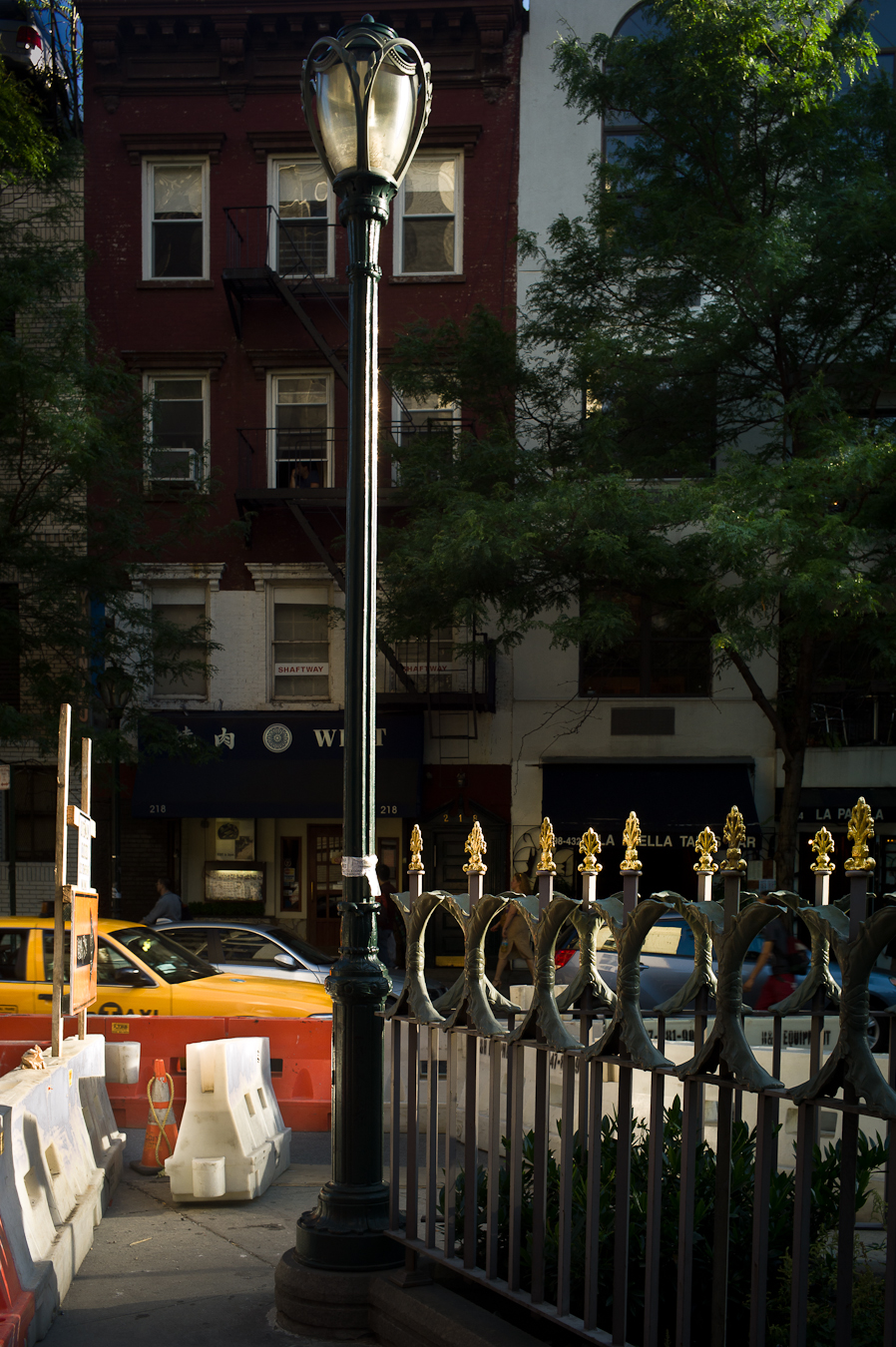
Leica M9 with 35mm Summichron Asph
NEW YORK, NEW YORK – I spent the late afternoon stalking reflected sunlight out the window of our dining room.
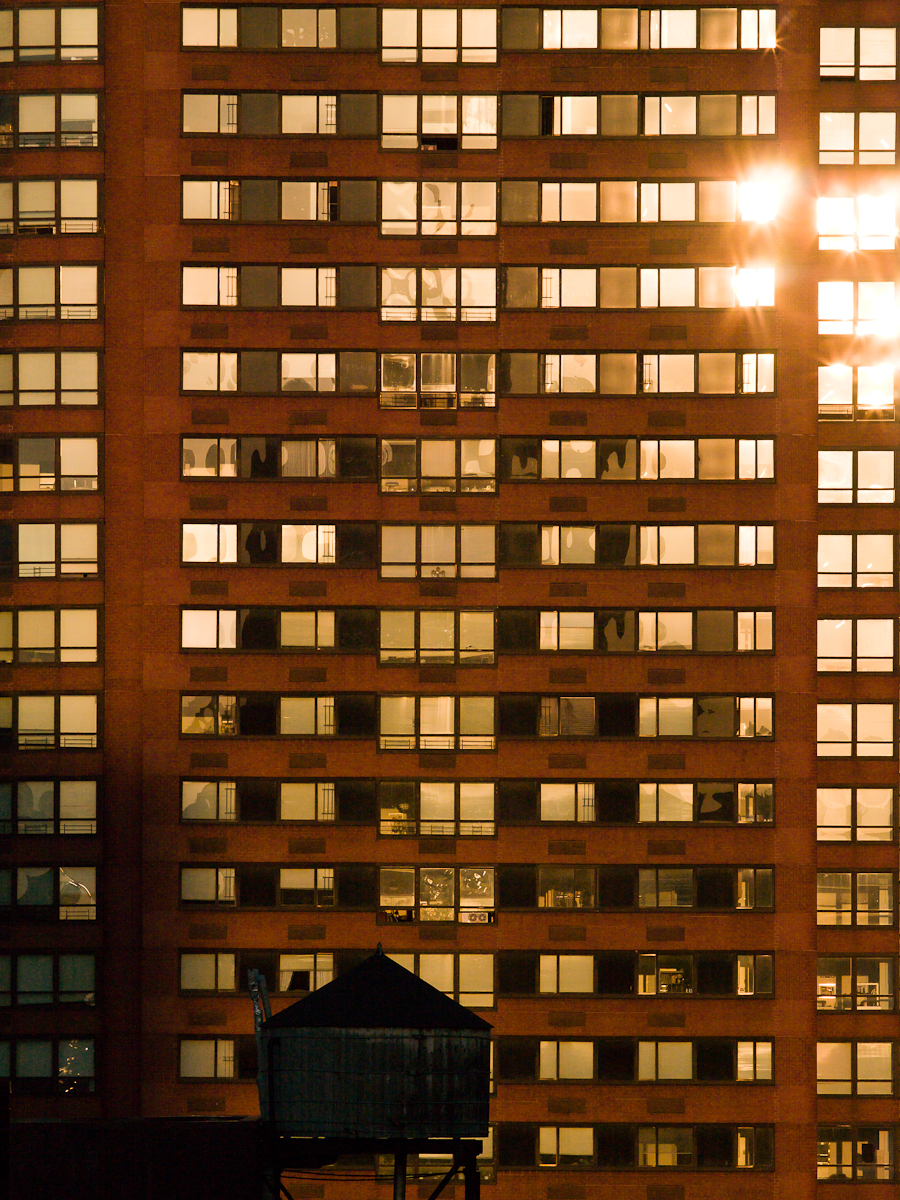
Hasselblad H3D with HC 300 lens.
NEW YORK, NEW YORK – Midday found me in midtown on my way to a lunch date. Here’s one of my favorite spots, the plaza in front of the Seagram Building.
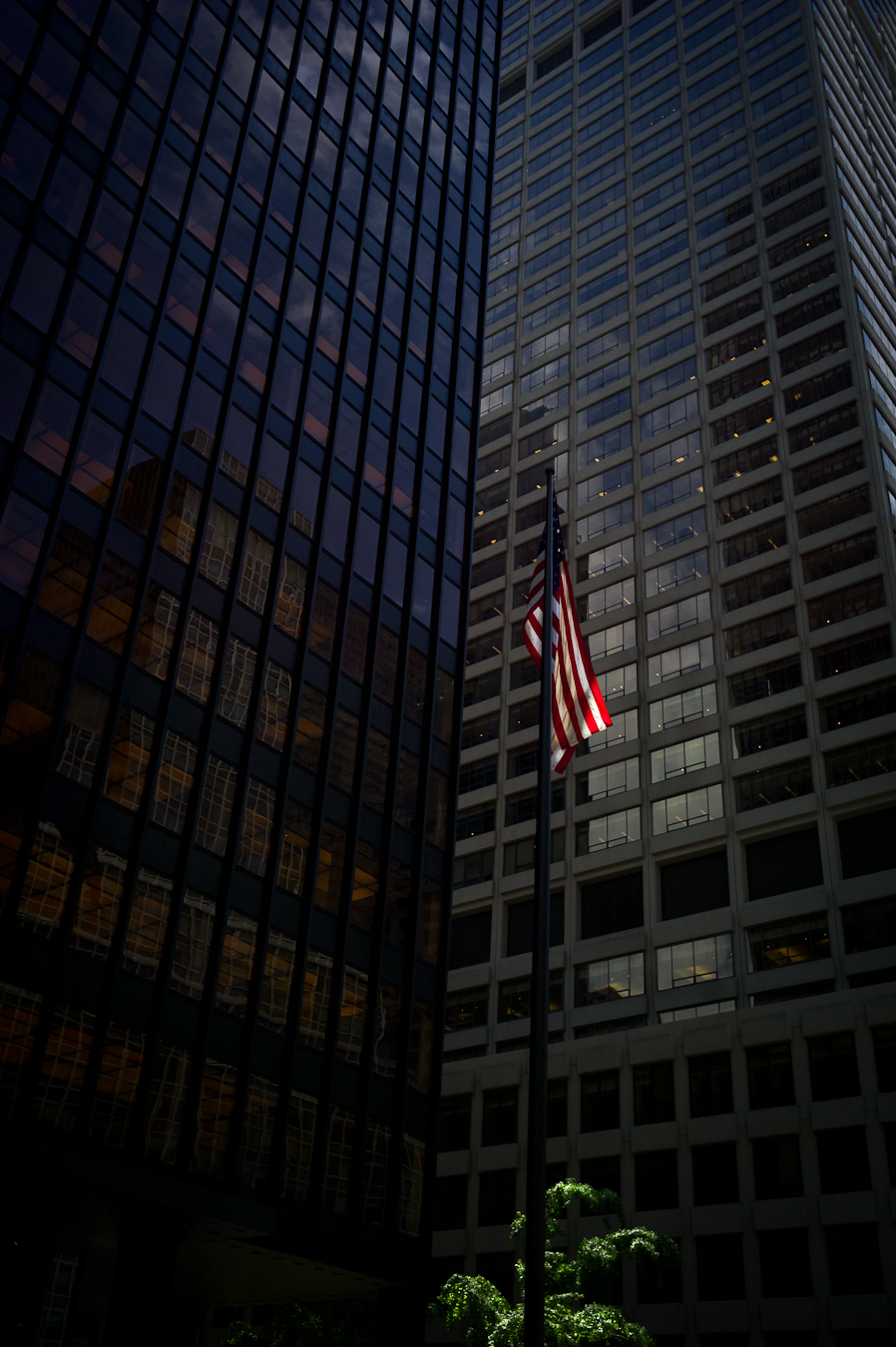
Leica M9 and 35mm Summicron Asph.
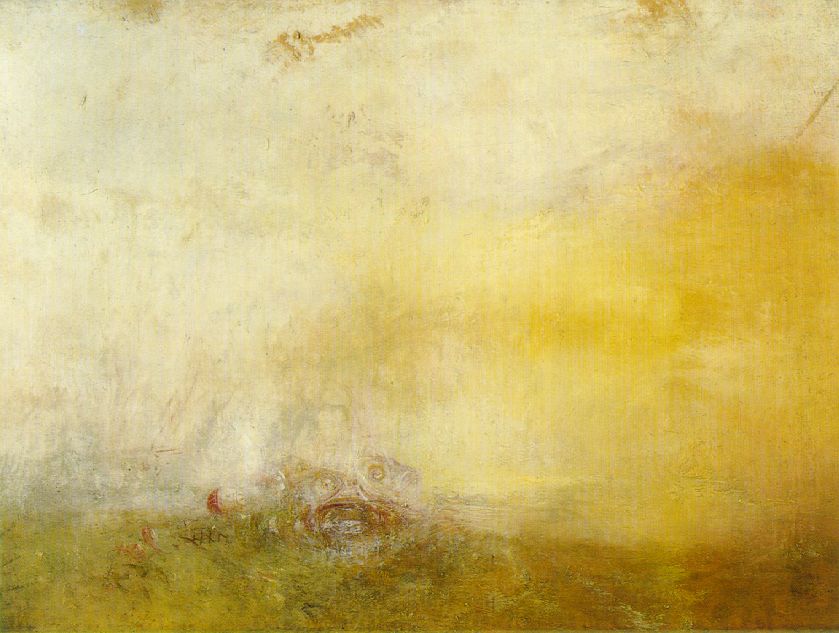
BOSTON, MASSACHUSETTS – Up early to prepare for meetings, I made this panorama of sunrise over Boston harbor. I’ve written elsewhere that I don’t have much use for photographs of sunrises and sunsets, They do, after all, happen every day: its unlikely that I or anyone else is going to create great or unusual work by pointing a camera east in the early morning. I doubt that any artist since Joseph Mallord William Turner has made much of a contribution to our understanding or appreciation of sunrises and sunsets. I’ve pasted a copy of Turner’s Sunrise with Sea Monsters below.
One also has to consider the burden at this time of year of getting up very early to photograph a sunrise: sunrise today in Boston was at 5:06. That’s actually why I’ve posted a sunrise – I had a very busy day in Boston so I got up early to capture my image for the day. The first frame of this image was time stamped by the camera as 10:00:50 because I set the clock in all of my cameras to UTC so I don’t have to worry about whether they are on correct local time when I travel.
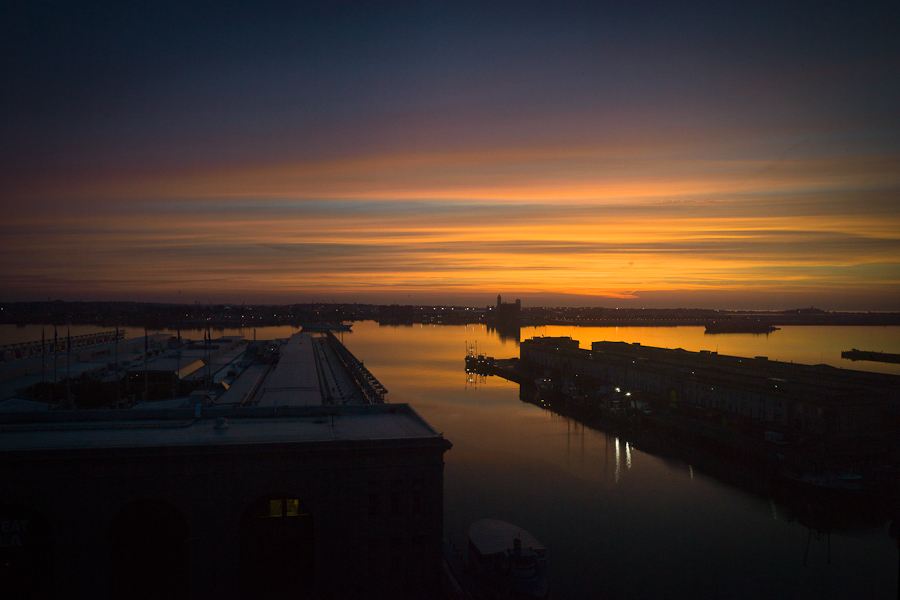
Leica M9 plus 35mm Summicron Asph.